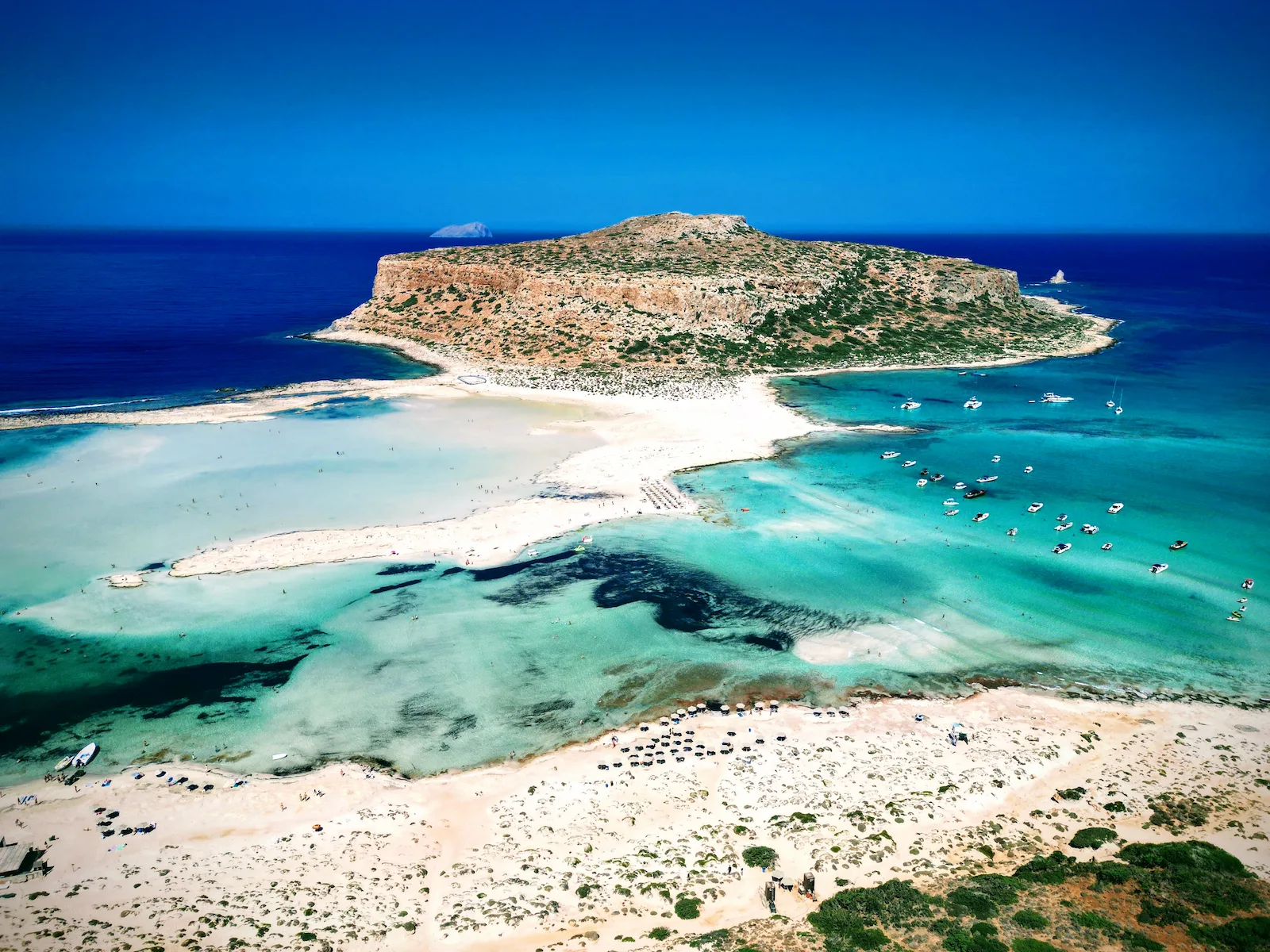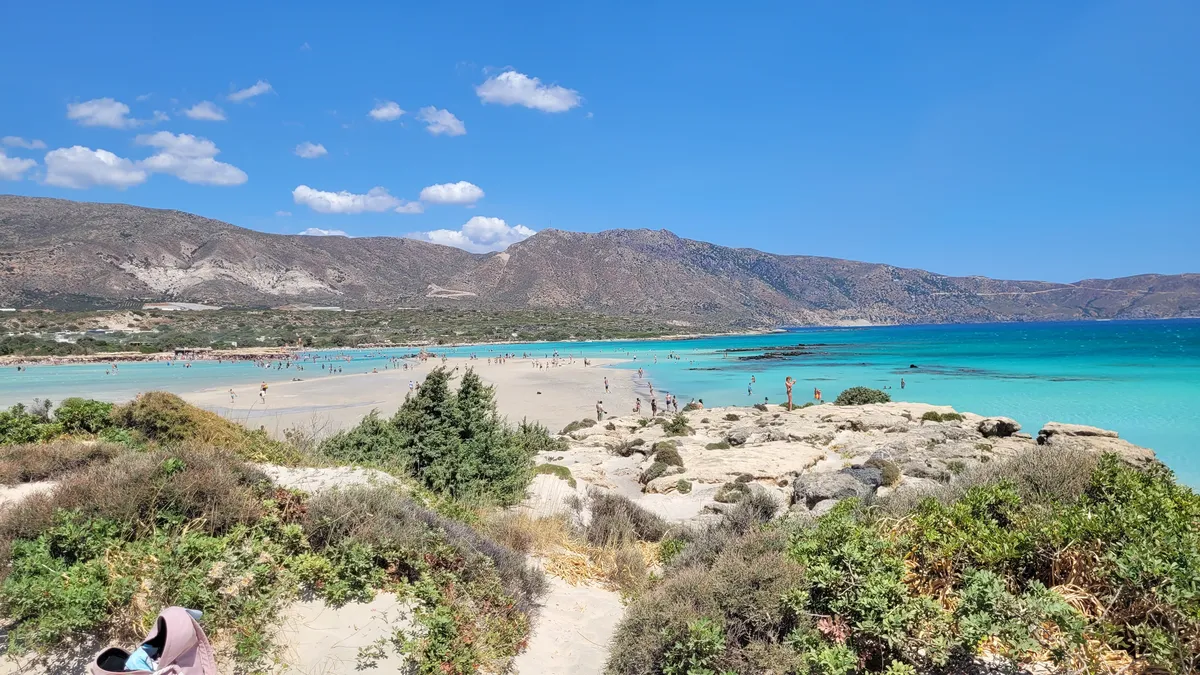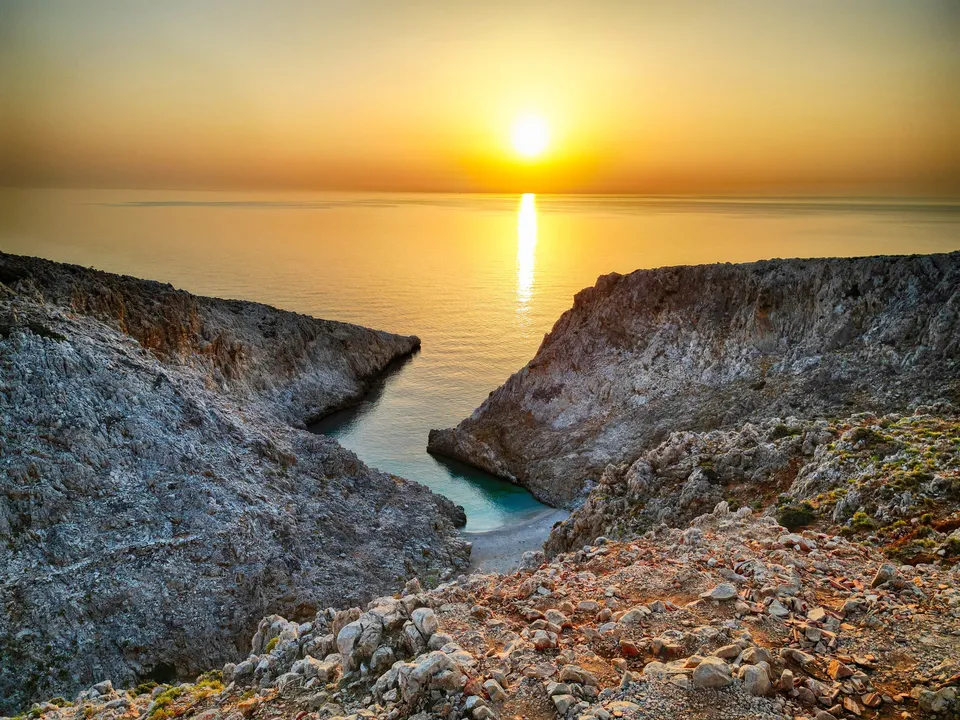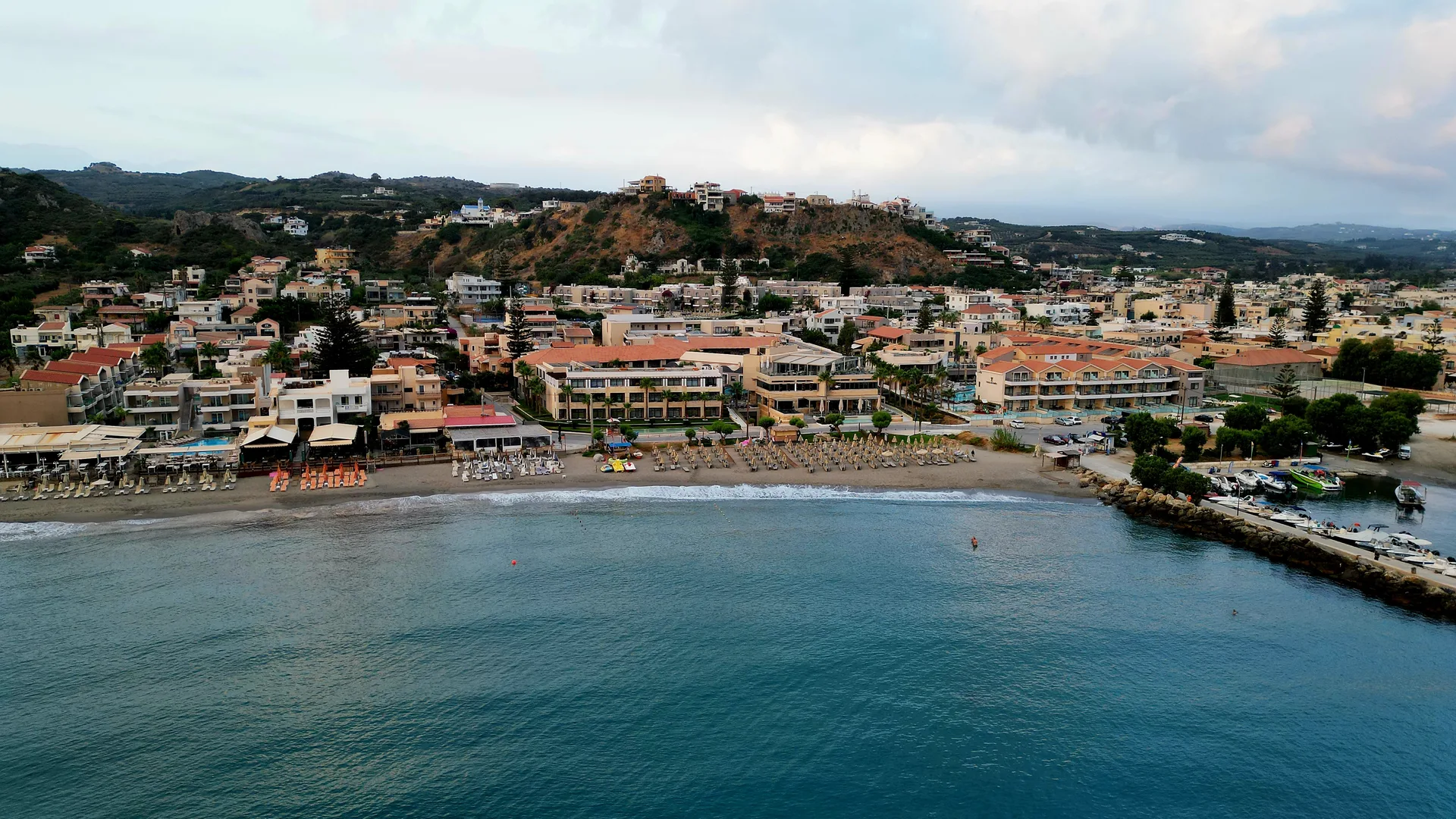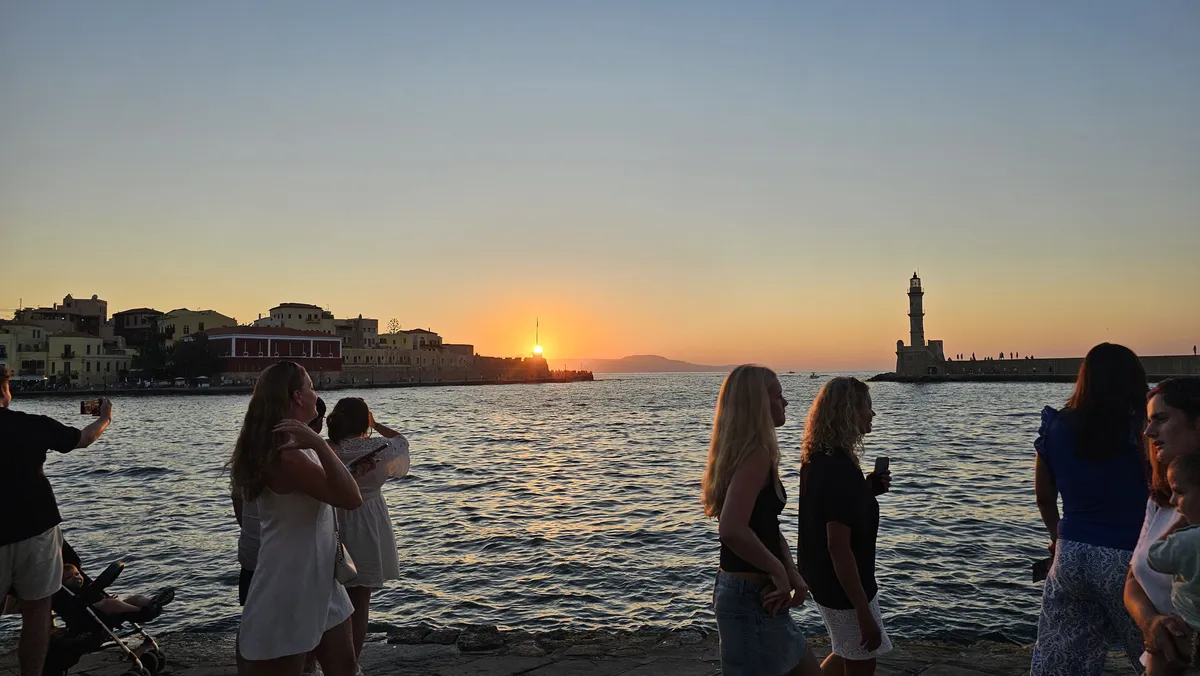
Chania is Crete's most photographed city. Deservedly so — though the reality is more layered than the postcards suggest.
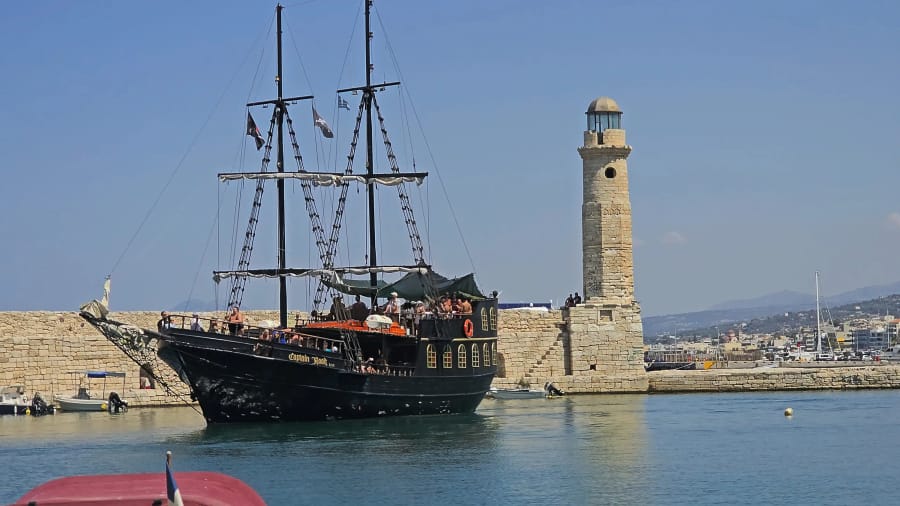
The old harbour of Chania has the quality of a stage set: everything is almost too perfect. Pastel Venetian facades, a 17th-century Egyptian lighthouse at the harbour mouth, wooden fishing boats rocking in glassy water at sunset. You understand why photographers return to the same golden hour again and again.
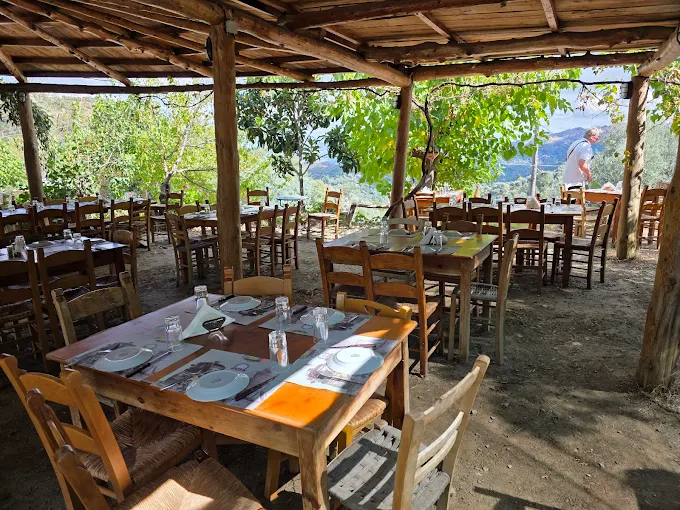
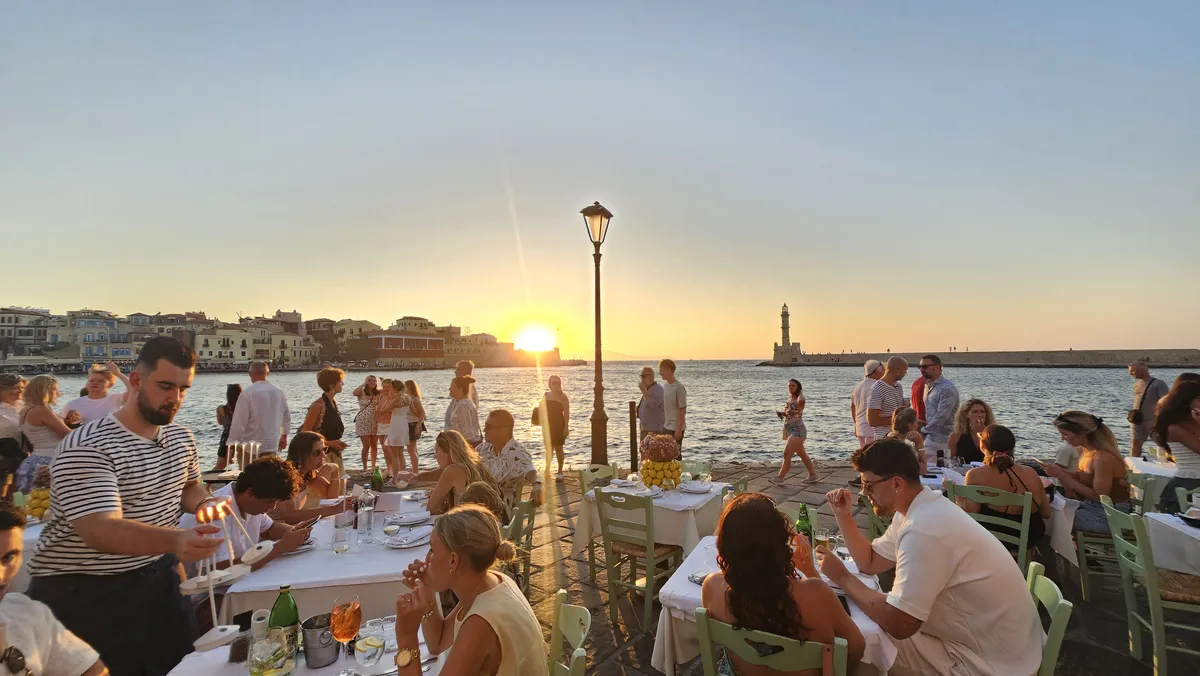
The truth is more nuanced. The harbour district has become almost entirely touristic: the tavernas lining the quay serve decent food at prices double what you'd pay inland. The locals eat in the lanes behind the Janissaries' Mosque or in the Splantzia neighbourhood, where a handful of genuine places still hold their ground.
What Chania has that's truly rare is historical depth. The medina — the old Jewish quarter — hides 15th-century houses converted into workshops and guesthouses. The archaeological museum, housed in a former Venetian church, displays Minoan pieces rarely seen elsewhere. The covered market, built in 1911 on the model of Marseille's halles, still smells of cheese and olives.
To enjoy Chania without the crowds, you need to be there early or late. At 8am, when the harbour streets are still empty and fishermen sort their catch, the city recovers something of its real character.
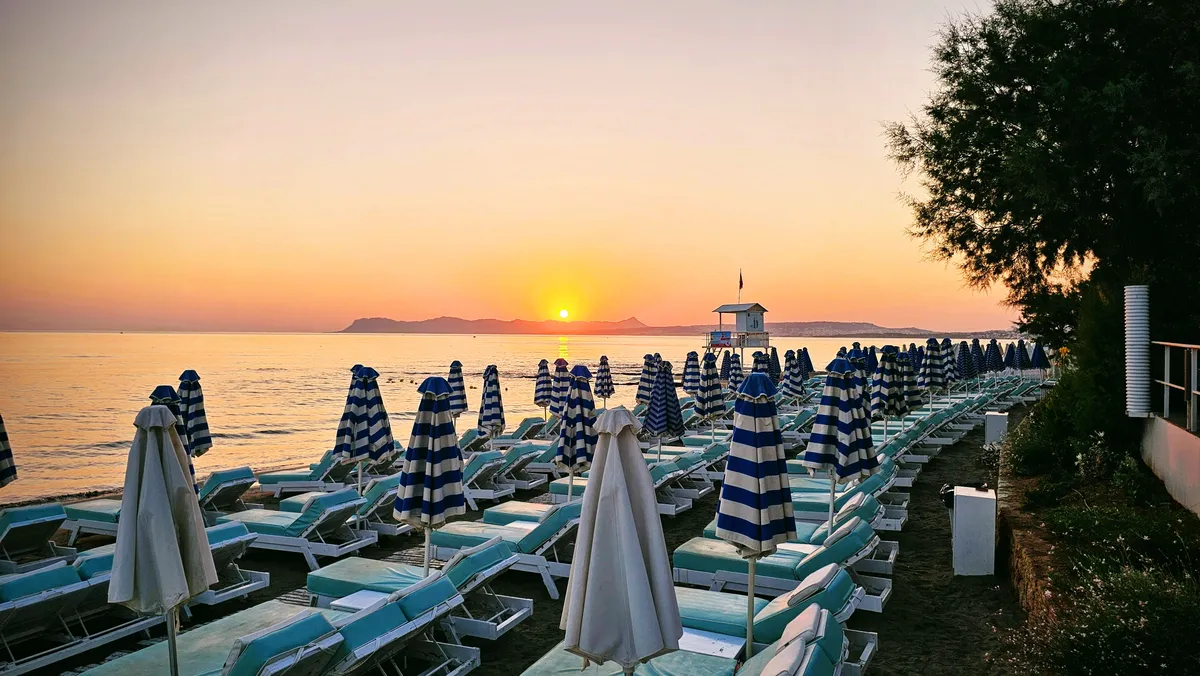
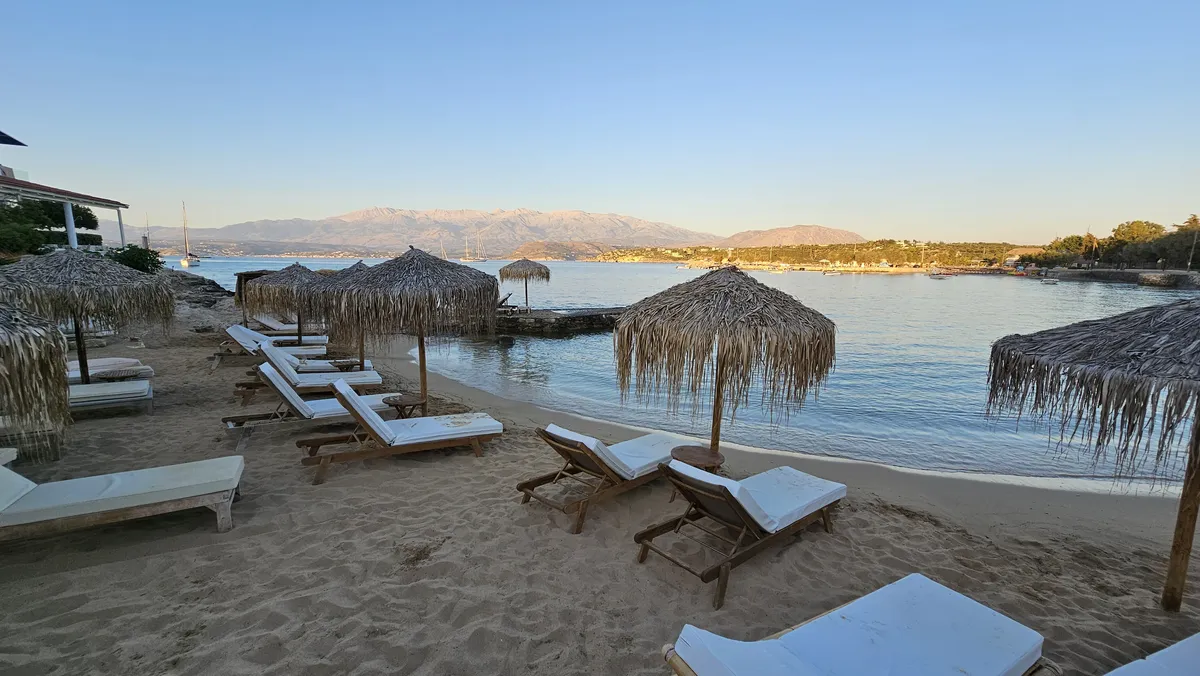
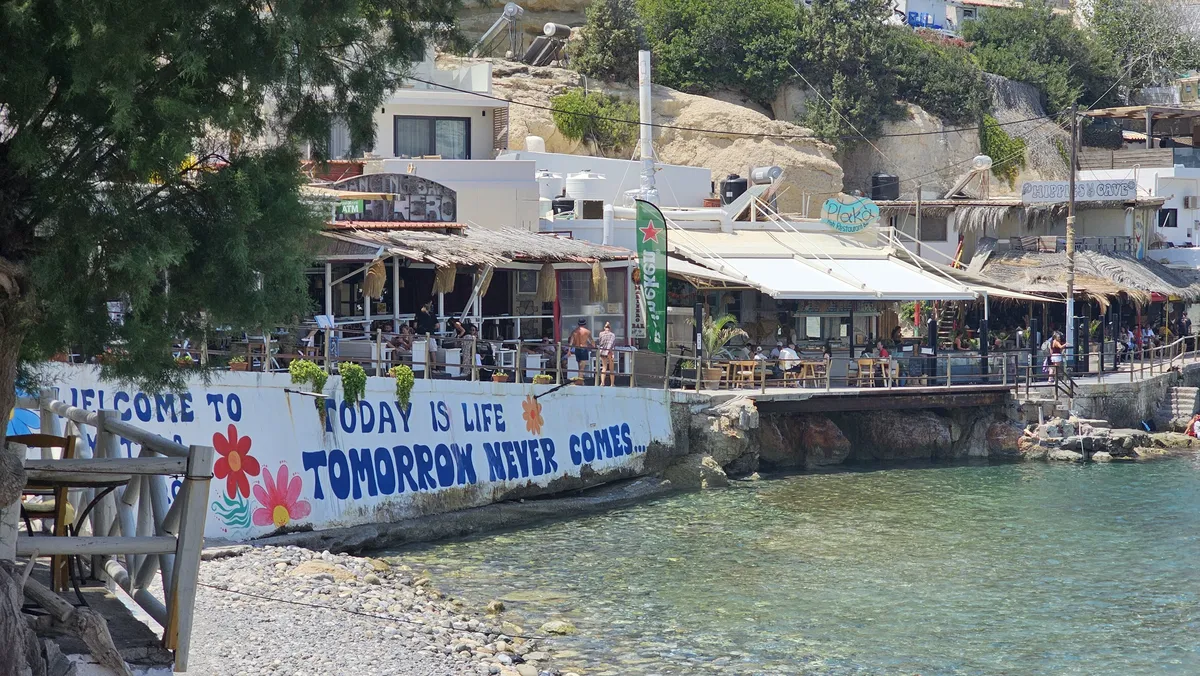
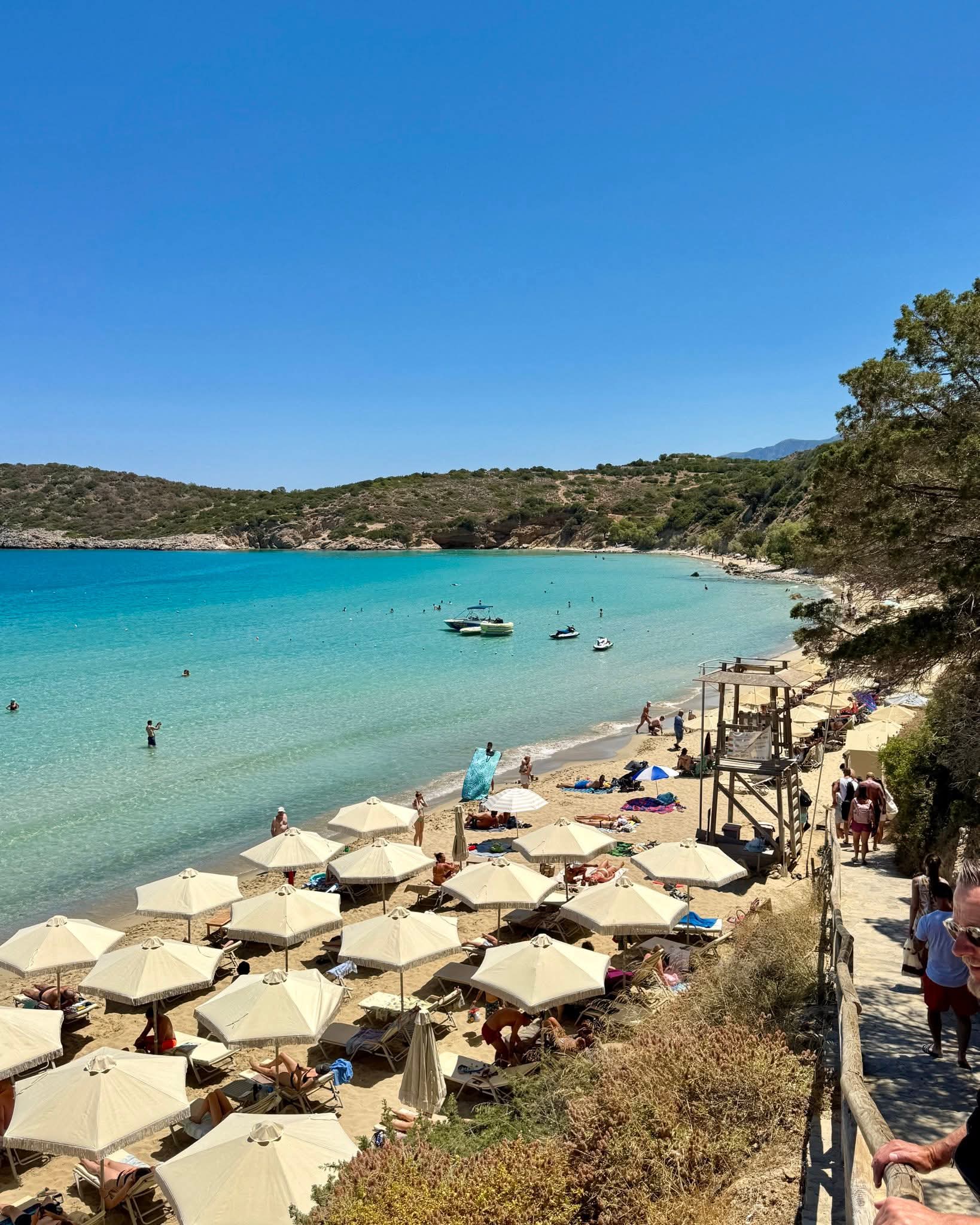
Want the sea without a car? Walk about ten minutes west from the old harbour: Nea Chora is the most convenient beach to reach on foot from the Old Town. It's a genuine year-round neighbourhood — a sandy beach with sunbeds and umbrellas (price varies by season and operator), a small fishing port where you can rent a boat, a seafront strip of fish tavernas, and a real local market every Thursday. The best way to combine a swim, neighbourhood life and food without leaving the centre (see our on-foot route video below).
My photos
© Crète Immersion
What to know
- Unique Venetian architecture in Crete
- Good base for exploring western Crete
- Authentic local life away from the harbour
- Covered market and genuine food
- Harbour front very touristy and expensive
- Parking difficult and costly
- Very hot and crowded in August
- Few beaches directly in town
What nobody tells you
Hotels in the old-town lanes aren't reachable by car to the door: allow 5–10 min on foot with luggage from the drop-off. And the Venetian harbour at sunset is the first highlight — free, no booking.
Practical tip
Stay in the medina rather than on the waterfront. Eat in Splantzia. Visit the archaeological museum in the morning before the heat.
🔎 Sources & verification
Verified on site in August 2026. Transport and access linked to the official source. Our method.
📍 Where is Chania Old Town
Chania Old Town caught your eye?
Build an itinerary that gives it a real place — with the spots that suit you.
Plan my trip →