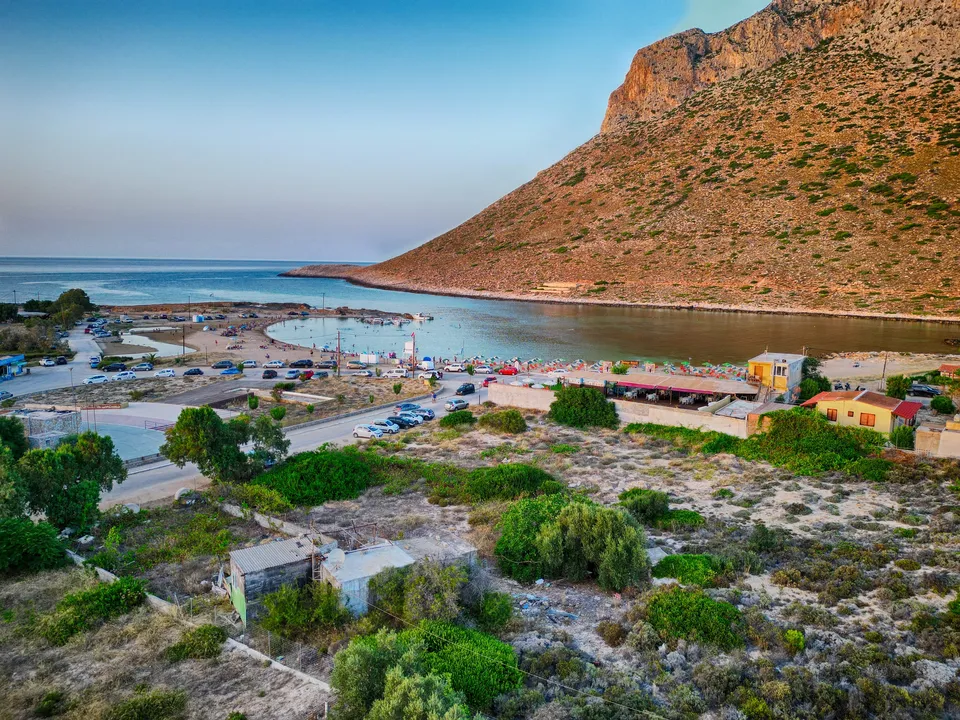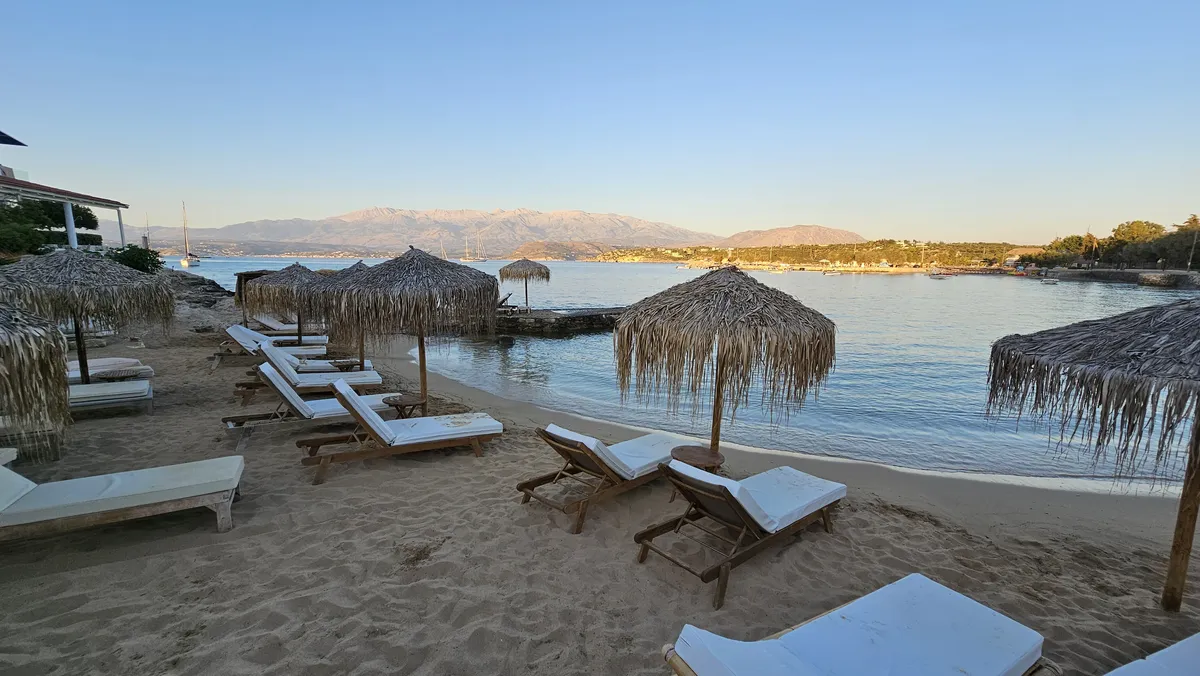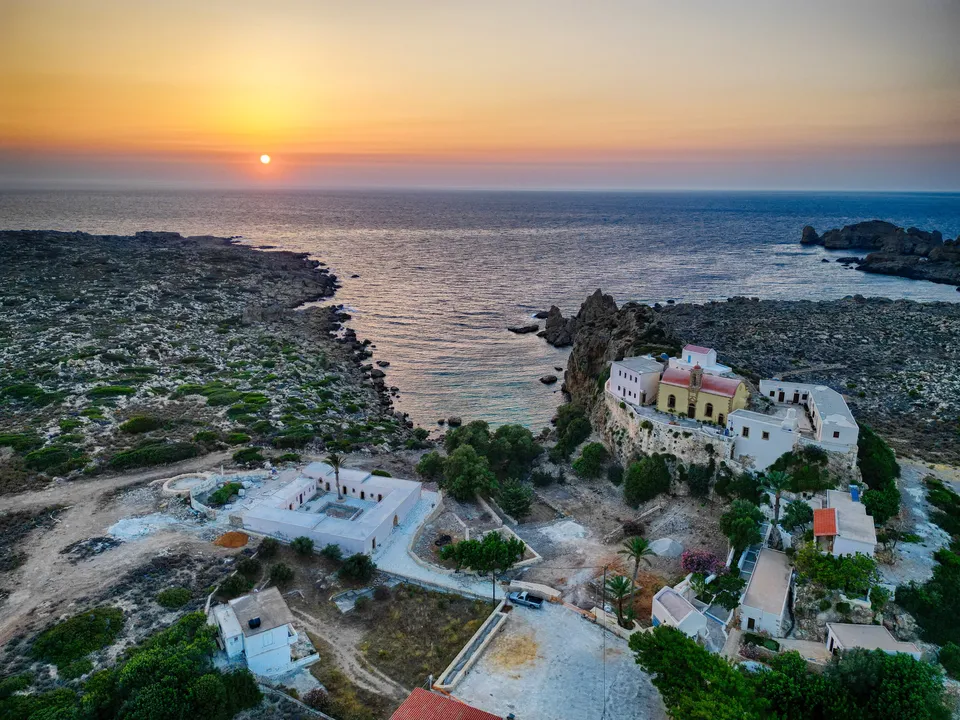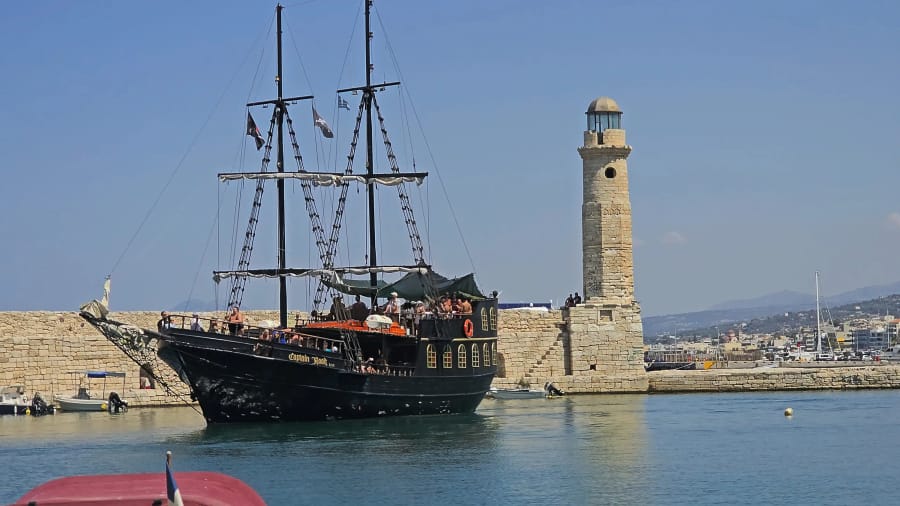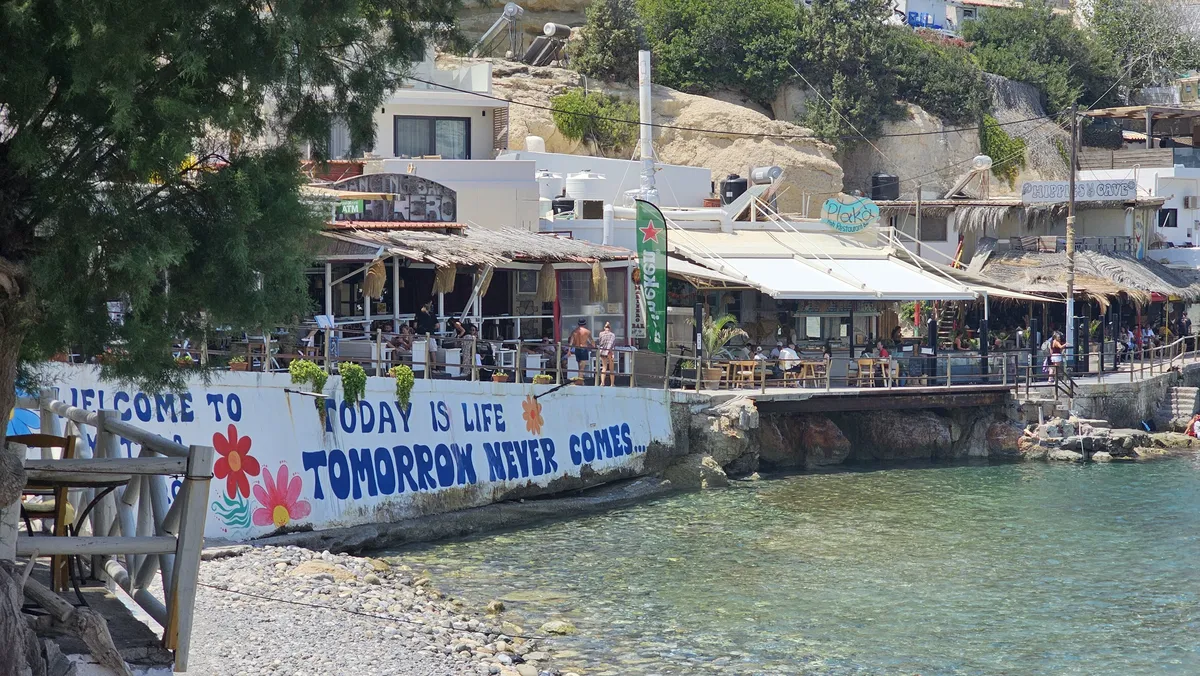
Matala has had two lives: one prehistoric, one in the 1960s. Both are worth the journey.
The caves riddling the red cliffs framing Matala bay were Neolithic burial chambers long before Cat Stevens, Joni Mitchell and hundreds of others turned them into open-air squats under the stars. In the 1960s and 70s, Matala was the end of the road for hippies heading south from Europe: people lived in the caves, slept on the beach, and the police looked the other way.
Today the caves are listed and closed to the public after 7pm (paid entry during the day). The village has become an unpretentious seaside resort: family hotels, fish tavernas, souvenir shops. The hippie spirit has gone — but a certain ease of living has stayed.
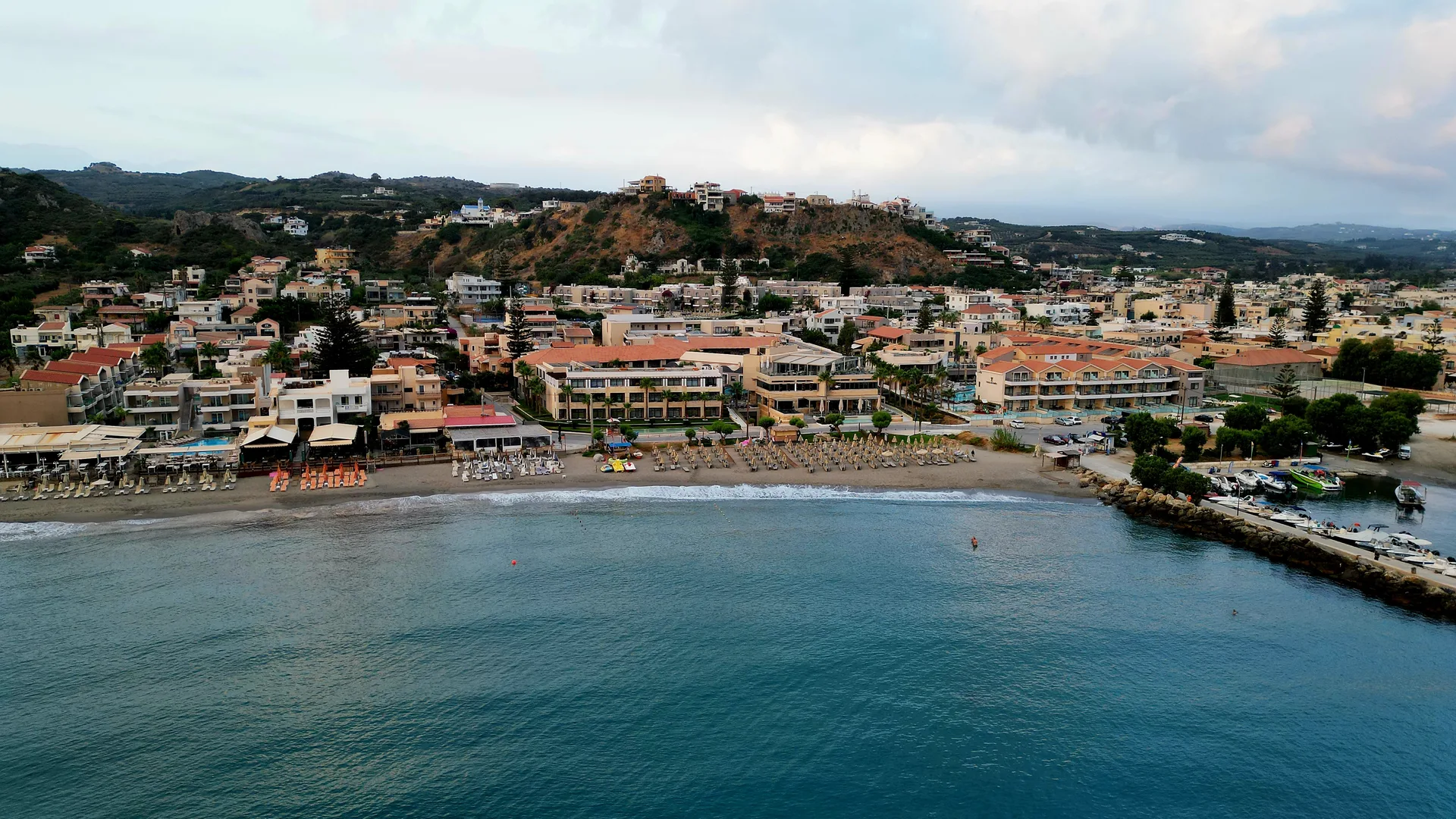
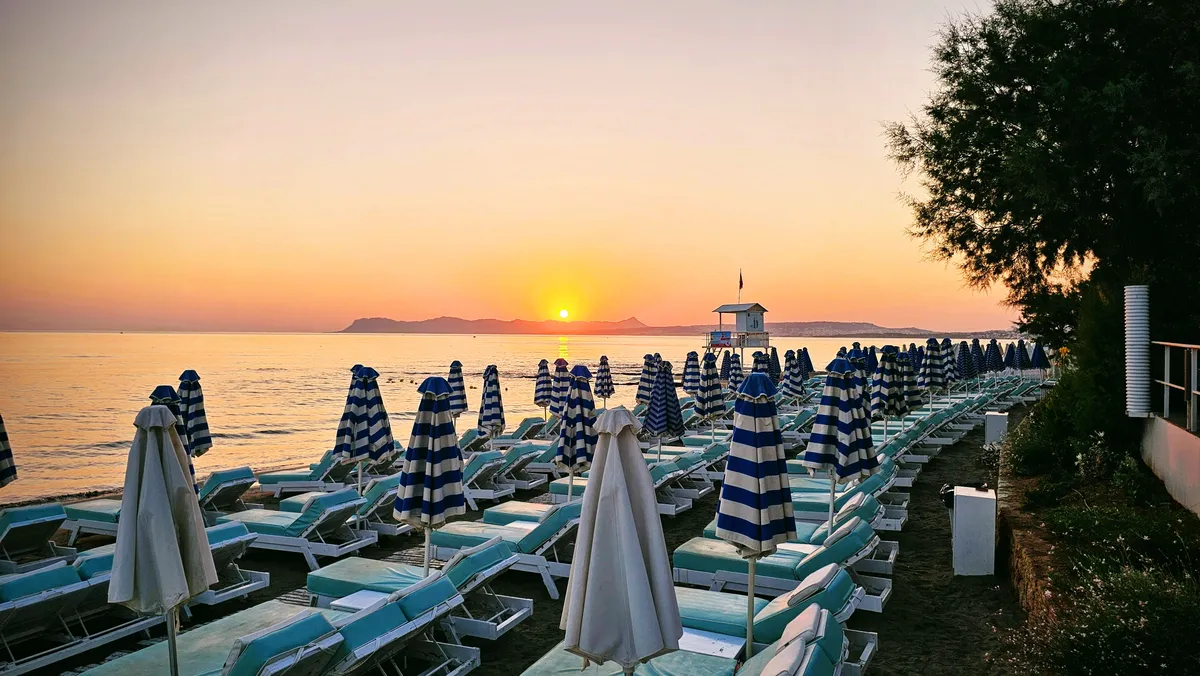
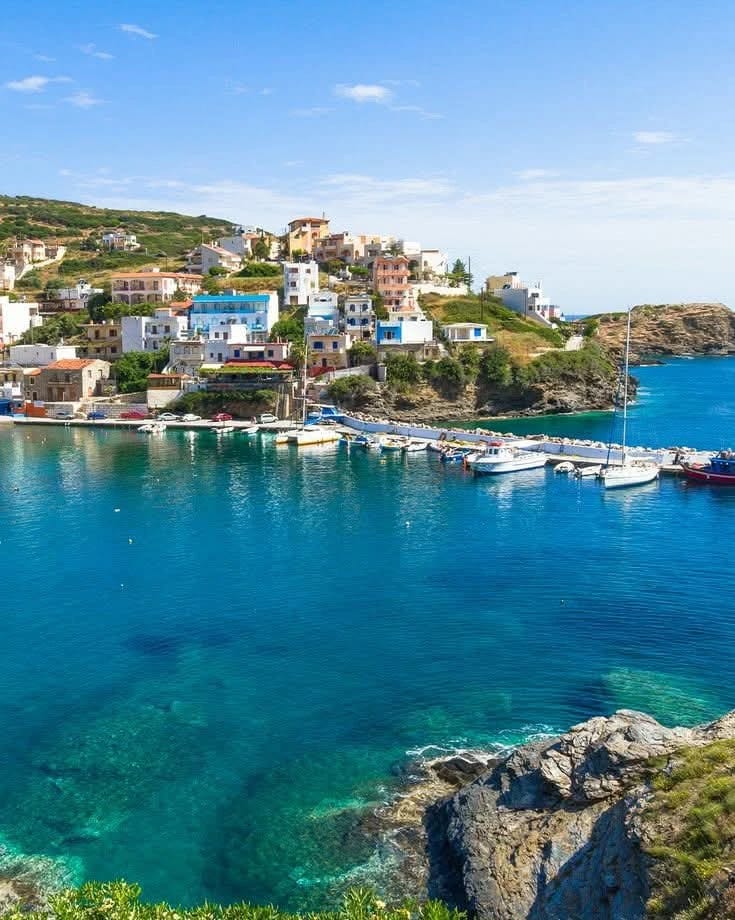
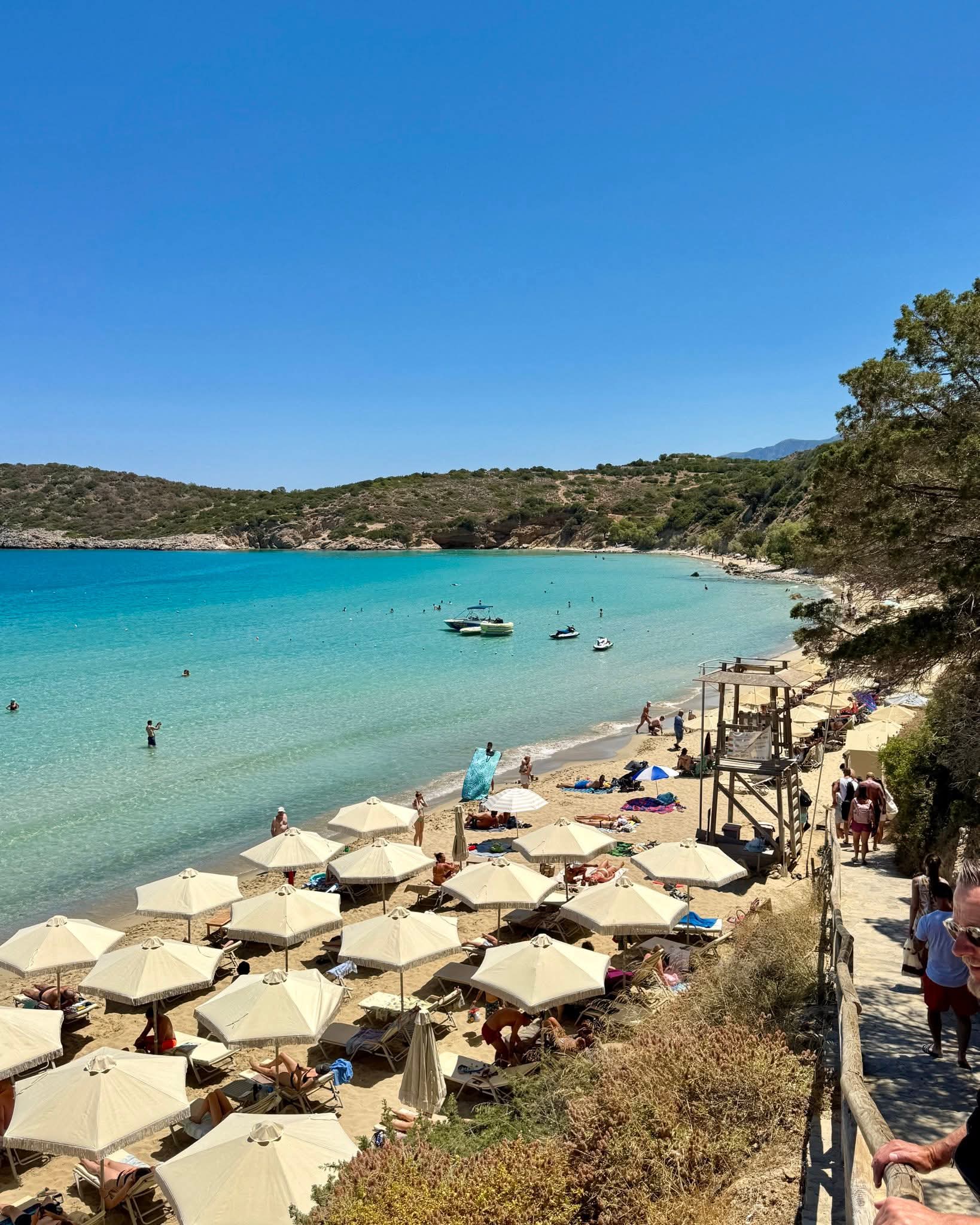
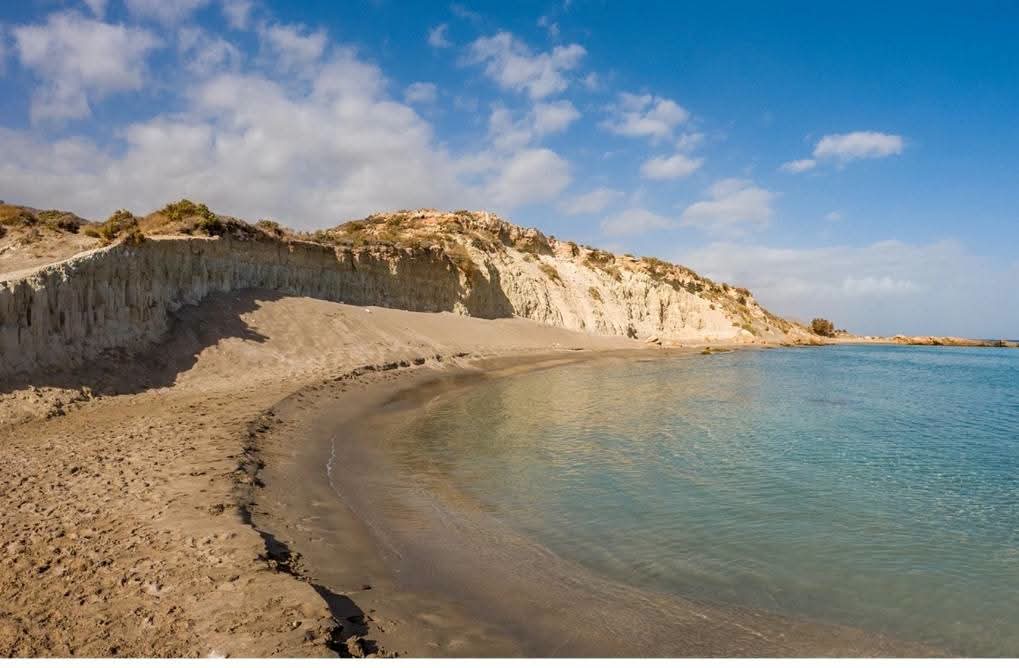
The beach itself is attractive without being exceptional: a sheltered cove with calm water, dark sand, rocks on either side. What makes the difference is the atmosphere: Matala attracts travellers who know what they're looking for. Fewer families with luggage than at Elafonisi, more people who come for a cold beer at sunset and conversations that last.
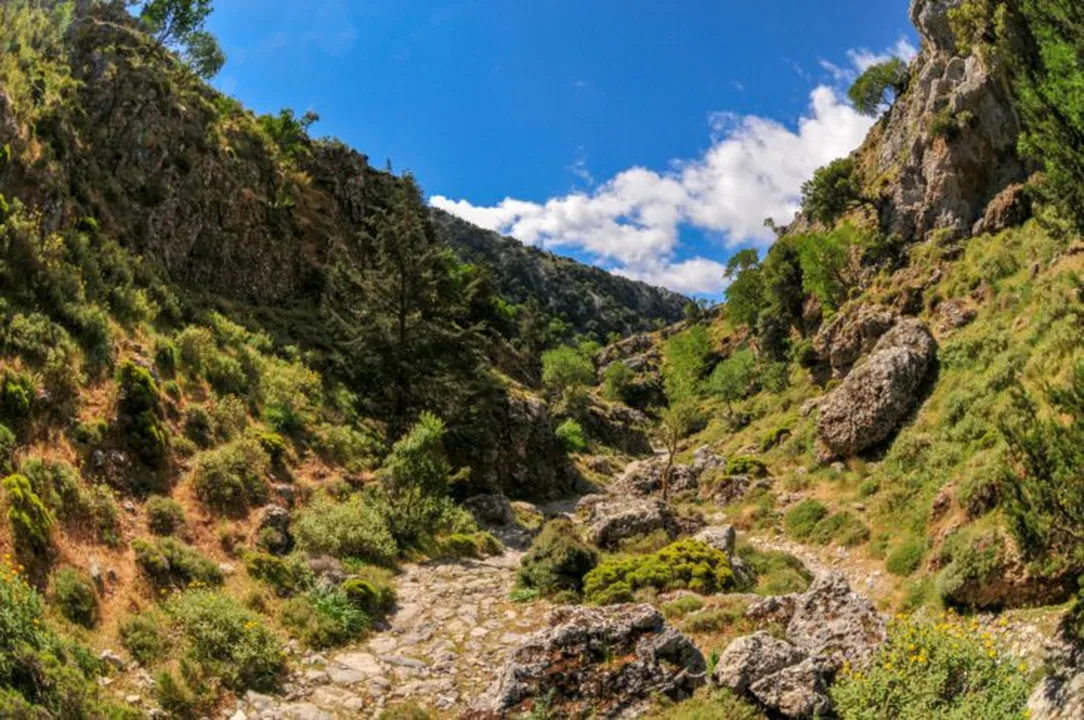
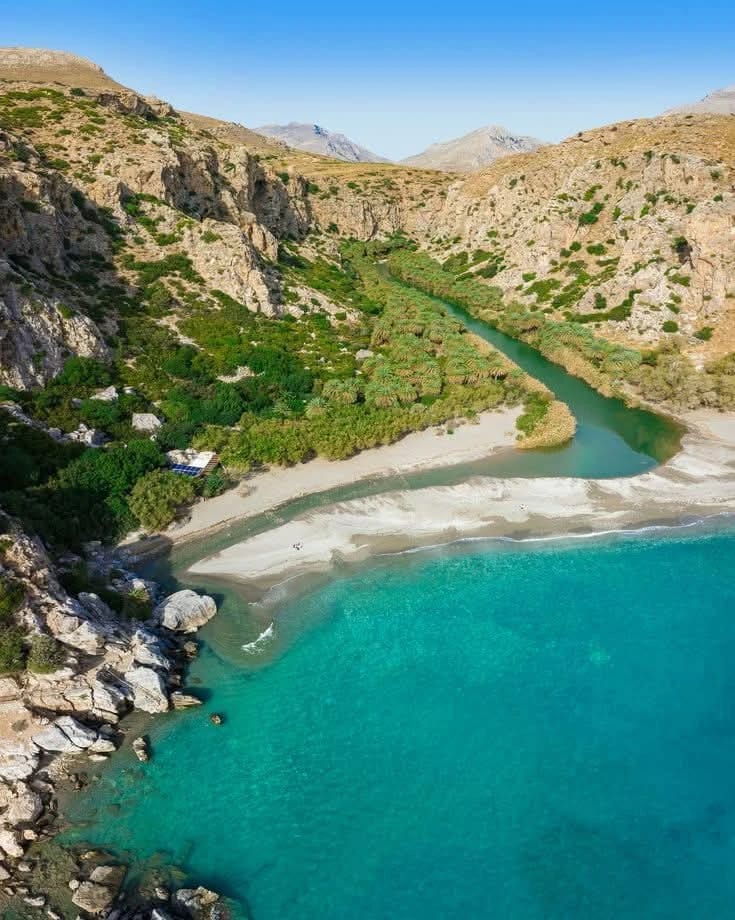
The coastline around Matala rewards exploration. Red Beach, 20 minutes on foot over the cliffs, is a wilder, quieter cove backed by spectacular red cliffs. Kommos, 5km north, hides a Minoan archaeological site directly on the beach.
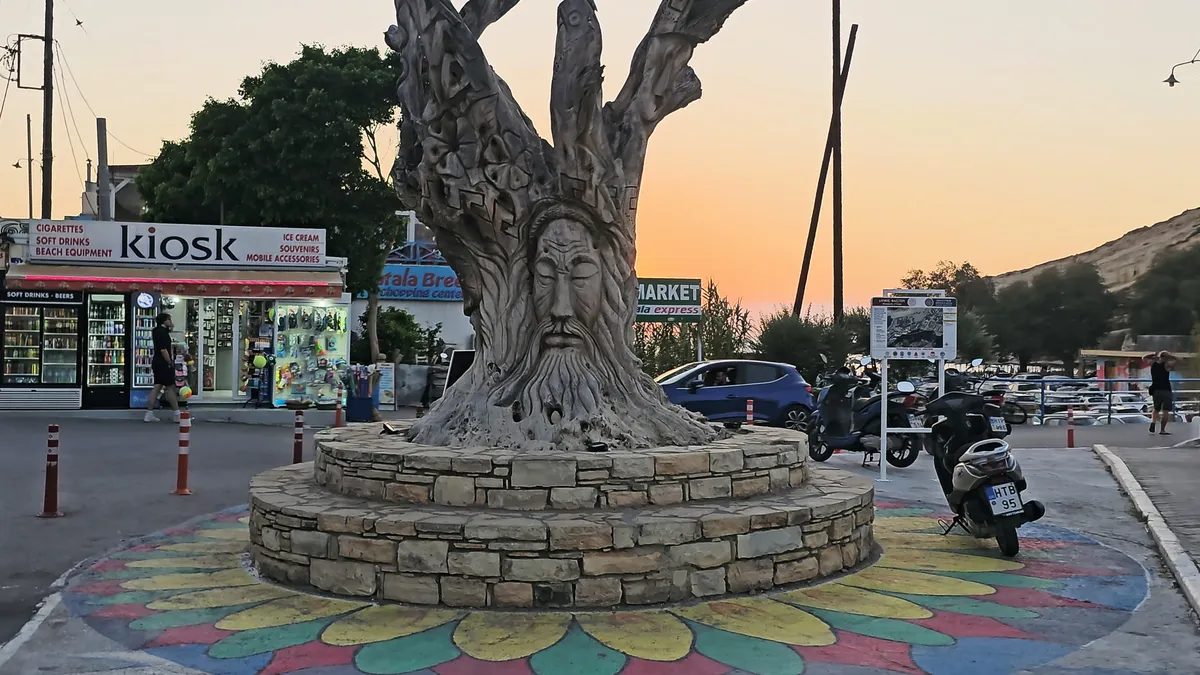
My photos
© Crète Immersion
What to know
- Unique Neolithic cave dwellings
- Genuine laid-back atmosphere
- Red Beach reachable on foot
- Minoan site of Kommos nearby
- Not Crete's most beautiful beach
- Village somewhat fixed in its own myth
- Far from other tourist spots
- Few activities for children
Practical tip
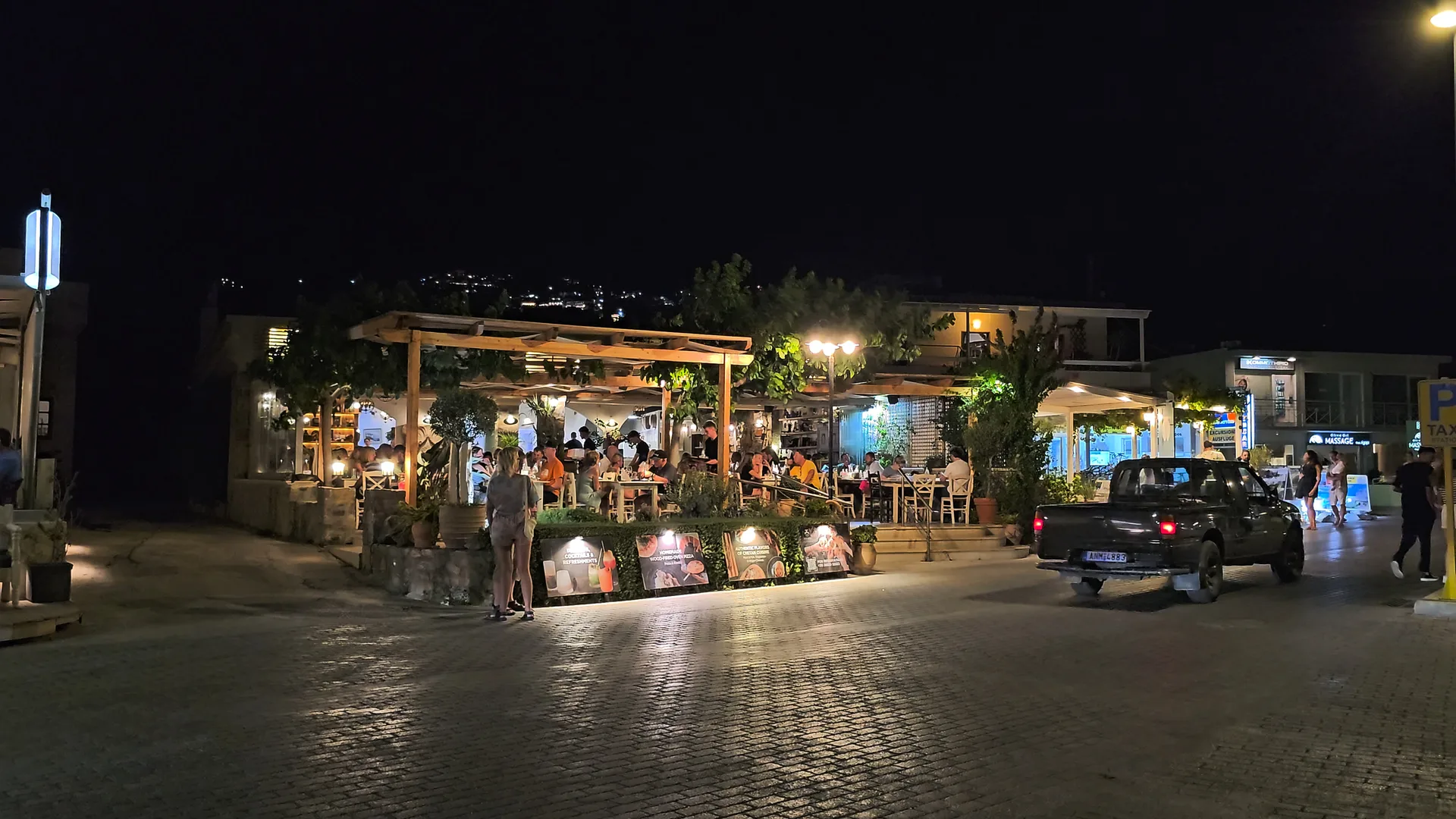
Walk to Red Beach early morning before the heat. Evenings: waterfront tavernas offer sunsets over the Libyan Sea — rare on the north coast.
📍 Where is Matala
Matala caught your eye?
Build an itinerary that gives it a real place — with the spots that suit you.
Plan my trip →