The Cretan diet, for real
Everyone touts “the secret of the Cretans”. Here's what's behind the myth — what they actually eat, why it works (partly), and how to taste it on your trip.
What's really on the plate
Olive oil, poured freely
The real Cretan fuel: a Cretan gets through up to 30 litres a year. Not a drizzle — a foundation. Raw over vegetables, in the pan, on bread.
Horta (wild greens)
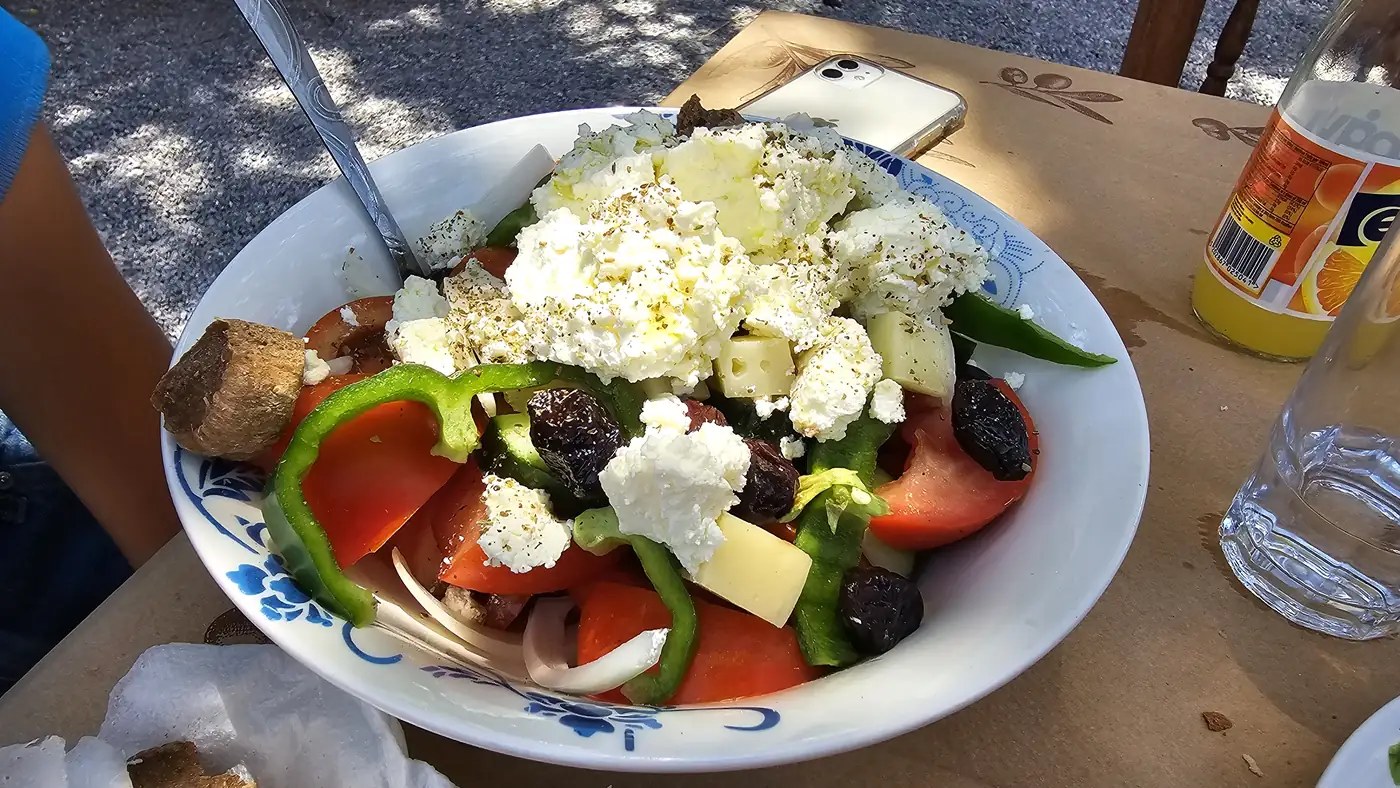
Gathered in the fields, boiled, dressed with oil and lemon. Over 100 edible species. The least glamorous and most important secret on the table.
Pulses & vegetables first
Gigantes (giant beans), lentils, broad beans, stuffed courgettes. Meat is not the centre of the meal — it's the Sunday or festival exception.
Sheep's & goat's cheese
Aged graviera, fresh mizithra, unctuous staka. From flocks that graze the mountain — a milk, and a taste, no factory reproduces.
Thyme honey & fruit
The Cretan sugar is thyme honey and ripe fruit — not pastry. Sheep's yoghurt, honey, walnuts: that's a centenarian's dessert.
Raki, in measure
The grape-marc spirit (tsikoudia) that closes every meal, offered on the house. Social more than alcoholic: a few glasses shared slowly, never alone.
It's not a diet. It's what was left when there was nothing.
The “Cretan diet” wasn't invented by a nutritionist: it's the cooking of 1950s rural poverty, which the Seven Countries Study (Ancel Keys) caught with the lowest heart-disease rates in the world. Lots of olive oil, wild greens, pulses, very little meat, wholemeal bread, local wine. Nothing sophisticated — the exact opposite of the modern Western plate.
The plate isn't everything — and it's honest to say so
Olive oil and vegetables explain part of Cretan longevity, not all of it. The rest is the way of life: walking the mountains daily, tending a garden at 80, eating slowly and in company, the afternoon nap, low social stress. Be wary of anyone selling you “the” miracle superfood: here it's the sum of a daily life, not a pill. The good news is that as a traveller you can taste the essentials — the table and the tempo.
How to actually eat Cretan (and what to order)
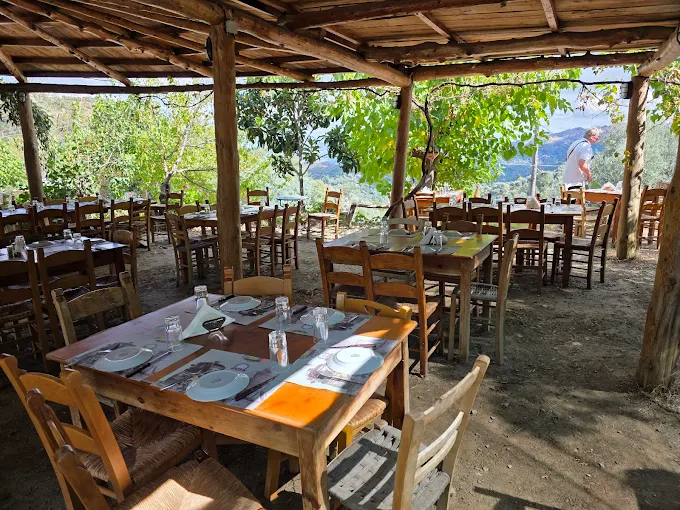
Skip the waterfront with its six-language menus; climb one street back, or better, climb into the mountains. Order like a local: dakos (barley rusk, tomato, mizithra), boiled horta, baked gigantes, a cheese plate, bread to mop up the oil. Take mezédes to share rather than one big dish. The morning market (laïki) tells you everything: what overflows on the stalls is what to order at dinner.
The truth: Crete also eats badly today
Don't be naïve: the centenarian generation is the one from before tourism and junk food. Young Cretans drink soda and eat fast food like everywhere else. The authentic “Cretan diet” can still be found — but in village tavernas, at grandmothers' tables, at patron-saint festivals (paniyíri) — not in a “traditional” tourist restaurant on the harbour. Look for the kafenío full of old men: it's the best indicator there is.
Frequently asked questions
Does the Cretan diet help you lose weight?
That's not its purpose. It's a longevity way of eating, rich in olive oil (so calorie-dense). You eat your fill; what changes is quality: olive fat rather than sugar and meat, vegetables rather than processed food. Weight loss, when it comes, is an effect, not the goal.
Which dishes should I order to taste the real Cretan diet?
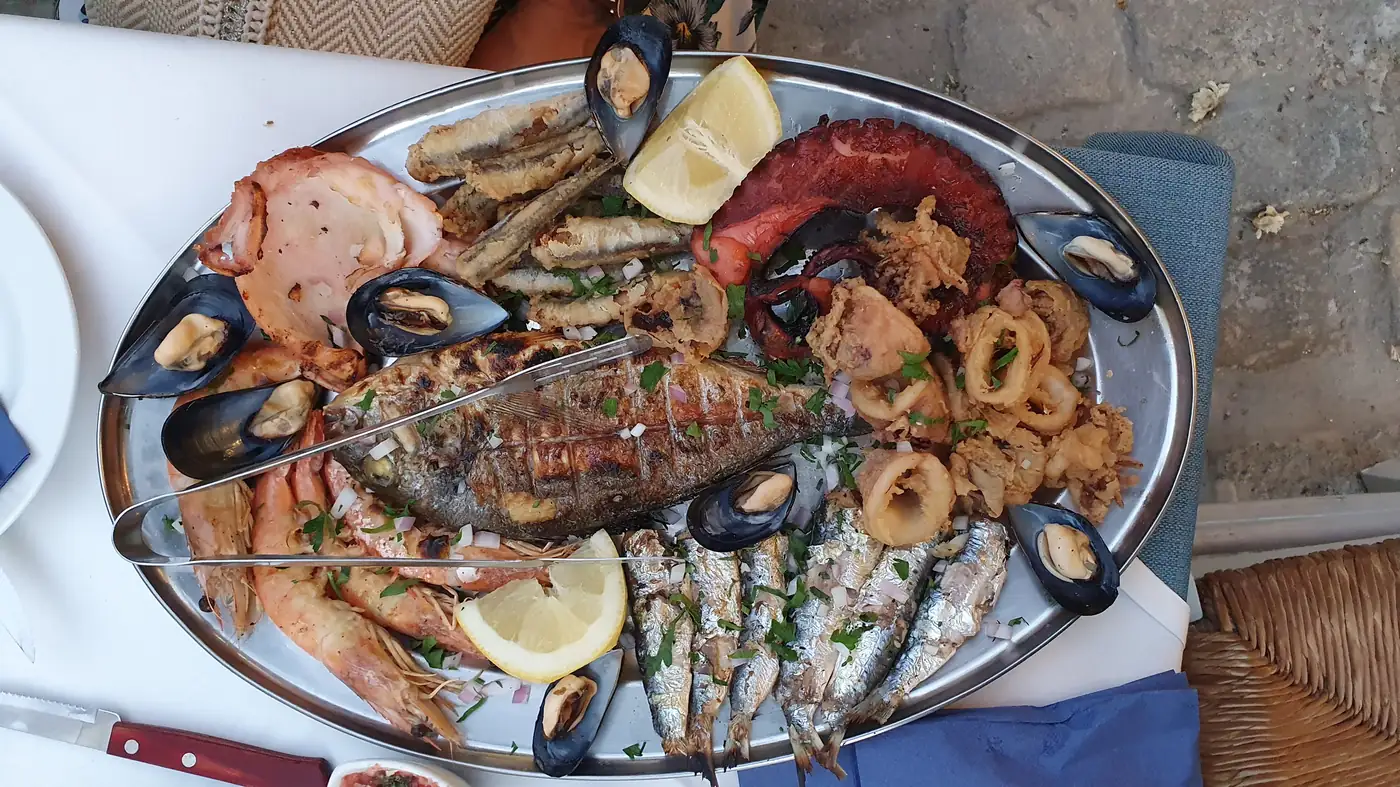
Dakos, boiled horta, gigantes (baked giant beans), stuffed courgettes or vine leaves (dolmades), local cheeses (graviera, mizithra), and fish or snails depending on the season. Share several mezédes rather than one big meat dish.
Where do I find real Cretan food, not the tourist version?
Head up into the mountain villages (the Chania backcountry, the Lassithi plateau, the Messara), aim for tavernas full of locals at lunch, and skip the six-language menus on the waterfront. The morning market (laïki) and village festivals are the best addresses.
From theory to the table
Our food guides pin down the real tavernas, the tourist traps and the best mountain tables, region by region.
See the food guides →Plan
Getting around
Explore
Beaches
Best beaches›Voulisma (Golden Beach)›Secret beaches›Balos or Elafonissi?›Falasarna›Seitan Limania›Nature & adventure
Samaria Gorge›Gorges & waterfalls›Things to do›Excursions: worth it?›Activities & tours›Boat cruises›Santorini day trip›Culture & history
Knossos (tickets)›Spinalonga›Lato (Dorian city)›Gournia (Minoan town)›Battle of Crete›Authentic villages›Essentials