CreteImmersion
Climate guide

Best Time to Visit Crete: The Myth of the Perfect Season

Forget the smooth climate averages in tourist guides. Crete doesn't adapt to you — you choose your arena. In August, the south coast chars you. In May, the water is bracing but the gorges are a lush paradise. Don't pick a month on a calendar: choose the experience you're ready to live.

Best month

September

🌊 Warmest sea

August 27°C

🌡️ Avoid if heat-averse

July–August

“When should I go to Crete?” We’re asked every week. The truth is, there is no perfect season. There’s yours.

In short: the best time to visit Crete is late April to June and September to mid-October — warm sea, open sites and gorges, far fewer crowds and lower prices than July-August. The ideal month? September (sea 25-26 °C). July-August have the warmest sea, but peak heat (38-40 °C inland) and crowds.

The Crete of August has nothing to do with the Crete of February. In August the sea is 27 degrees, the lagoons turn turquoise and the car parks fill by nine. In February, a kafenio owner in Chania pours you a raki and sits with you for an hour, because you’re his only customer of the day.

In May the gorges still run and the hills smell of thyme and oregano. In October the water keeps the heat it stored all summer and the beaches empty out again. Each of these islands is real. None of them is “the right one”.

The only real mistake is coming in July dreaming of quiet, or in January hoping to swim. The rest is simply a matter of matching what you’re looking for with what the month gives you.

So forget the brochure. Here, mood by mood and month by month, is how to find your season.

Choose in 30 seconds

Based on your profile, your answer is already here.

🏖️
Swimming & beaches
Aug–Sept

Sea at 26-27°C, all beaches open. In August, arrive before 9am. In September you get both: warm water and half-empty.

🥾
Hiking & gorges
May–June

Samaria Gorge opens mid-April, lush vegetation, cool mornings. In July it's dangerous and forbidden.

🏛️
Archaeology & culture
Oct–Nov

Knossos in 45 min instead of 3h. Low light perfect on the red columns. Ideal temperatures for walking.

📷
Photography
Sept–Oct

Golden end-of-season light, half-empty beaches, still-green vegetation. May also works for nature in bloom.

💍
Honeymoon / romantic
June–Sept

Warm evenings, late sunsets, warm sea. Avoid crowded beaches in August — prefer Chania old harbour in the evening.

👨‍👩‍👧
Family with children
June / Sept

June: manageable heat, not yet packed. September: 26°C sea, 40% fewer people. Avoid inland areas in August.

💰
Budget travel
Oct–Nov

Accommodation up to -50% vs August. October still has 24°C sea and stable weather. The winning combination.

🧘
Authenticity / quiet
Nov–April

Crete belongs to the Cretans. Empty kafenios, deserted lanes, Knossos with no queue. The only season the island truly speaks.

All months at a glance

Temperatures in °C — sea / air — crowd out of 100

MonthSeaAir maxCrowdSignal
Jan16°15°
5
❄️ Quiet
Feb15°16°
5
❄️ Quiet
Mar16°18°
10
🌿 Opening
Apr17°22°
20
🌸 Spring
May20°26°
45
☀️ Ideal
Jun23°30°
65
🌤 Lively
Jul26°35°
100
🔥 Peak
Aug27°35°
100
🔥 Peak
Sep26°29°
60
⭐ Sweet spot
Oct24°25°
30
🍂 Autumn
Nov21°20°
10
🌿 Opening
Dec18°16°
5
❄️ Quiet

What the averages hide

☀️

The 35°C inland heat isn't in the brochure

The 'average' 28°C in August is a mean. In practice, inland areas (Heraklion, Knossos, mountain roads) reach 38–40°C. It's not dangerous if you're careful — but it's different from the brochure.

🌸

May is the most underrated month

The flora explodes. Gorges are green. The sea at 20°C is cool — but the shallow lagoons of Balos and Elafonisi climb to 24°C in the sun. And car parks fill at 10am, not 8am like in August.

🗺️

Crete doesn't have one climate

The north and south coasts live in two different weathers. In July with a strong Meltemi, Platanias is breezy and cool while Matala bakes in still 40°C air. Altitude changes everything too: at 800m, mountain villages run 6°C cooler than the coast — even in high summer.

📅

True high season lasts 7 weeks

Total saturation — car parks full by 9am, Balos with 2,000 people, hotels at double price — applies mainly to mid-July through end of August. Before and after, the island regains a far more liveable face, with the same warm sea.

Illustration

The same harbour, six months apart

Same place, same lighthouse, same quay. It's not the same Crete.

Port vénitien de Chania en plein été, façades colorées et terrasses bondées
☀️ July
2pm, a Thursday in July. The Venetian facades blaze — mustard yellow, burnt orange, midnight blue. The harbour water turns clear turquoise. Tables spill onto the quay all the way to the water's edge, parasols lined up to the lighthouse. It's photogenic, festive, alive — and very busy.
Tempête hivernale sur le port de Chania, vagues et ciel dramatique
🌧️ February
Same quay, same lighthouse — a Mediterranean depression changed everything. Waves crash across the promenade, wind flips umbrellas inside out, the sky rolls in lead and slate grey. It's not hostile: it's Crete at full power, unfiltered, tourist-free, imposing.

Crete's 3 seasons

Three distinct travel profiles depending on the month.

Shoulder season

The Sweet Spot

May–June · September–October

Sea temperature

20–26°Good
14°21°28°

Crowd level

Moderate

  • Samaria Gorge open (May–October)
  • Perfect autumn light for photography
  • Sea still warm in September (25–26°C)
  • Balos and Elafonisi without the crowds

✍️ Crète Immersion's take

The best value-for-experience ratio of the year. May and June offer a green, still-fresh Crete. September and October are the secret of experienced travellers: warm water, golden light, half-empty beaches.

⚠️

Watch out

In May, some crossings to Balos may be cancelled in bad weather. Have a backup plan.

The Crete Immersion experience

Our best Crete memories all come from May. Up at 7am, the Imbros Gorge is still cool, the trails damp with dew. The morning light on Elafonisi's water turns pink for exactly twenty minutes — and no one is there to see it, because the high-season crowds haven't arrived yet. The tavernas have reopened but aren't yet overwhelmed. The owner still has time to sit down with you and explain where his lamb comes from. September reads like May in the numbers, but with 25°C sea as a bonus.

📷 Crete Immersion field shots
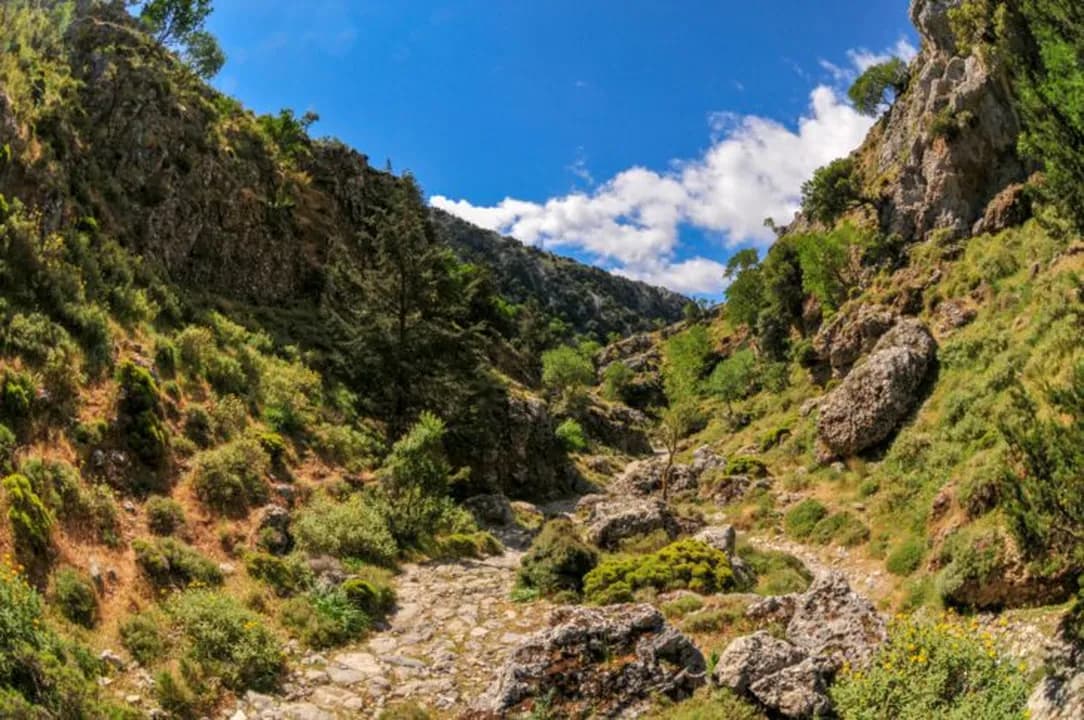
Gorges d'Imbros en mai, végétation dense et lumière de printemps
Imbros Gorge in May. Vegetation at its peak, streams still running. Perfect temperature for hiking.
Village d'Elos en Crète occidentale, lumière douce du printemps
Elos village in western Crete. Kafenios reopening, almond trees in bloom. The island before the crowds.
🔥

High season

Hot & lively

July — August

Sea temperature

26–27°Ideal
14°21°28°

Crowd level

Saturated

  • Sea at 27°C — ideal swimming
  • All services open
  • Intense nightlife (Platanias, Heraklion)
  • Refreshing Meltemi on the north coast

✍️ Crète Immersion's take

Crete at its most vibrant — and its most excessive. Plan to leave the beach before 11am and return after 5pm. Avoid Knossos at midday in favour of an early-morning guided visit. The south of the island (Matala, Plakias) stays more bearable than the saturated north.

⚠️

Watch out

The Meltemi can reach force 8. Crossings to Balos are often cancelled. Tracks like Seitan Limania become dangerous in this heat with no shade.

The Crete Immersion experience

July, 9:30am, Elafonisi beach. We left at 6am to be among the first. The sea is a blue-pink that doesn't exist anywhere else — a colour that can't be photographed, that will always disappoint on screen. By 11am the first tourist boats are unloading. By noon there are 2,000 people. That's not a complaint — it's the reality of high season, and it's managed with one simple rule: rise at dawn, return at noon, sleep, go out again in the evening. Chania's old harbour at 8:30pm in full August is still one of the most beautiful scenes in the Mediterranean.

📷 Crete Immersion field shots
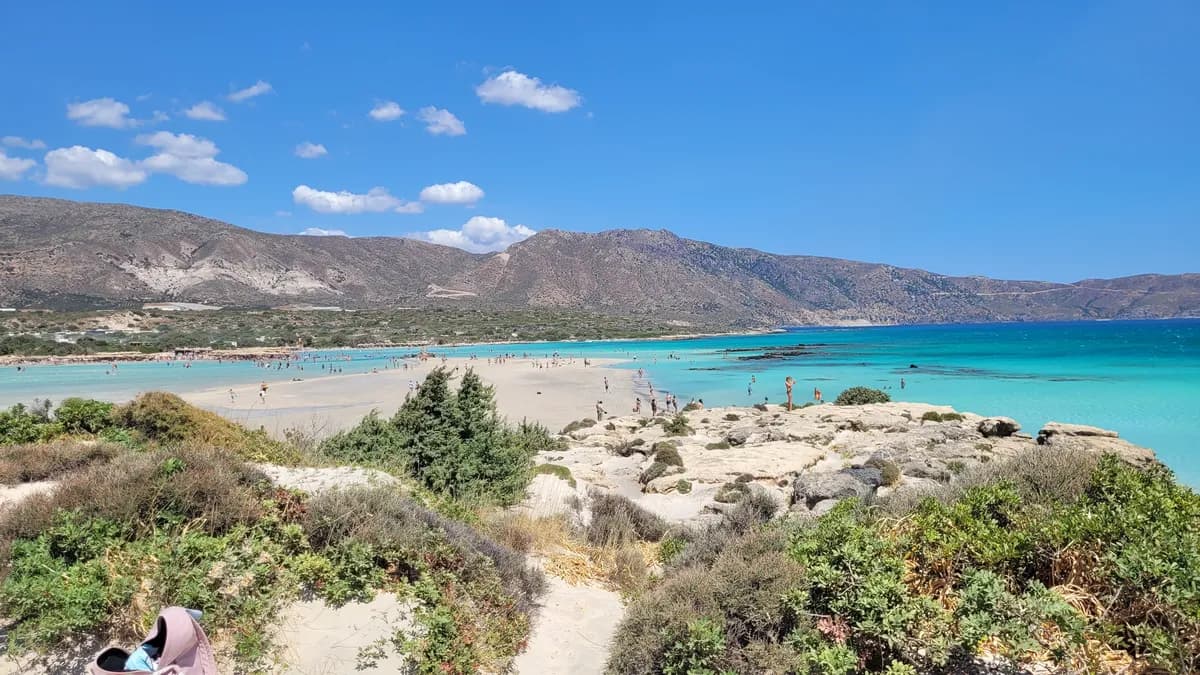
Elafonisi en plein été, eaux turquoise et soleil vertical
Elafonisi in July. This blue-pink doesn't exist anywhere else. Arrive before 9am — everything else is logistics.
Vieux port de Chania en haute saison, animation estivale
Chania old harbour in high season. Dense, alive, photogenic — provided you're there before 9am or after 8pm.
🌿

Low season

Total calm

November — April

Sea temperature

15–18°Fresh
14°21°28°

Crowd level

Nearly empty

  • Knossos with no queue — entry in 5 minutes
  • Snow on Mount Psiloritis (2,456 m)
  • Empty coves, authentic tavernas
  • Accommodation at half price

✍️ Crète Immersion's take

A journey of introspection. Winter Crete belongs to the Cretans — you share their island, not a theme park. Ideal for hikers, archaeology enthusiasts and anyone seeking authenticity without the tourist wrapping.

⚠️

Watch out

Some hotels and restaurants close from October to April. Check opening times before booking.

The Crete Immersion experience

February in Chania. The alleyways of the Ottoman old town are nearly empty. The kafenio owner on Sarpaki street served us a raki and sat with us for an hour. He brought out family photos. His son studies in Athens. In August, this same kafenio has a queue and nobody talks to anyone. In February, it's his living room. Knossos without crowds, winter light raking across the red columns, olive groves holding their green all year — this is a Crete that 90% of visitors will never see.

📷 Crete Immersion field shots
Coucher de soleil d'hiver sur le vieux port vénitien de Chania, quai désert et vagues
A winter evening at Chania's old harbour. The sky catches fire, swell washes over the quay, and the promenade is yours. This doesn't exist in August.
Neige au bord de la route de montagne en Crète, congères et arbres nus en hiver
February in the mountains: snow blocks the road above 1,000m. In the morning you ski on Psiloritis, in the afternoon you walk in a t-shirt in Chania.
Sommets enneigés au-dessus d'un plateau crétois encore vert en hiver
Snow-capped peaks above a still-green plateau: Crete's most striking winter contrast.

The sea month by month

The water is often the real question. Here's the reality.

Jan–Mar
15–16°C

Cold. Swimming for the hardy only. Beautiful scenery from the shore.

Apr–May
17–20°C

Cool to refreshing. Shallow lagoons reach 23°C. Doable for the brave.

June
22–23°C

Pleasant. Real swimming comfort. Balos and Elafonisi: 25°C.

Jul–Aug
26–27°C

Perfect. The sea is the main event. Arrive early for the beaches.

September
25–26°C

Ideal. Warm water, 40% fewer people. Best sea-to-solitude ratio.

October
23–24°C

Excellent swimming. Warmer than June. Beaches nearly empty.

Nov–Dec
18–21°C

Possible but cold. Enthusiasts only. Water cools fast after November.

Shallow lagoon temperatures (Balos, Elafonisi) run 2–3°C warmer than open water. In September and October, sheltered southern coves gain another degree.

The Meltemi: understanding Crete's wind

The most poorly explained phenomenon in Cretan weather.

The Meltemi is a north-westerly wind that blows across the eastern Mediterranean from June to September, peaking in July-August. In Crete, it arrives from the north coast and can reach force 6 to 8 Beaufort (strong to very strong). At sea, it creates 2–3 metre waves that make certain crossings impossible.

Balos by ferry

The crossing from Kissamos is cancelled once the Meltemi reaches force 5. In August, expect 3 to 4 cancellation days per week. Solution: book the earliest departure or check the day's forecast.

🏖️

North vs South

The north coast (Chania, Rethymno) is exposed. In strong winds, waves can make certain beaches unusable for children. The south coast (Matala, Plakias, Preveli) is naturally sheltered — often calm when the north is rough.

🌡️

The Meltemi cools things down

At 38°C inland, a northerly wind at 30 km/h makes the north coast almost pleasant. It's the upside: Platanias and Agia Marina in July are breezy, not stifling. Bring a light layer for evenings.

📅

Planning around it

If you plan a boat trip (Balos, Spinalonga, Gramvousa), don't fix it to a specific day. Leave a 2–3 day weather window. Local captains know — trust their cancellation over a 10-day forecast.

Month by month

Click a month to see full details.

🌡️Air
27–29°C
Pleasant
🌊Sea
26°C
Ideal swimming
👥Crowd level
60%

All 12 months, in detail

5 experiences with their ideal window

These moments only exist at one specific time of year.

🌺

Wild flora & almond blossom

Feb–April

Almond trees bloom as early as February in the valleys. In April, wild orchids and anemones blanket the hills. A Crete that 95% of visitors will never see.

🫒

Olive harvest & fresh oil production

Oct–Nov

The harvest begins in October in the western groves. Presses run day and night. Some farms welcome visitors — freshly pressed oil tastes like nothing else.

🏔️

Snow on sea — the Cretan paradox

Jan–Mar

Psiloritis (2,456m) is snow-capped while the coast sits at 14°C. A surreal image: snow in the background, sea in front. The Imbros Gorge is empty and often snow-dusted in its upper section.

🤿

Diving & snorkelling

June–Sept

Maximum visibility (20–30m) in July-August. Wrecks and underwater caves are accessible from Rethymno, Ierapetra and Elounda. Mornings only — afternoon Meltemi reduces clarity.

🌅

Sunrise over the coves

May–June–Sept

Seitan Limania at 6:30am, no one. Balos on the first boat, the light turns pink. Elafonisi at 7am, the rose hues are at their peak before the sun climbs. These 20-minute windows only exist in these seasons.

Crete's calendar of highlights

The weather tells you when it's sunny. The culture tells you when the island is truly alive.

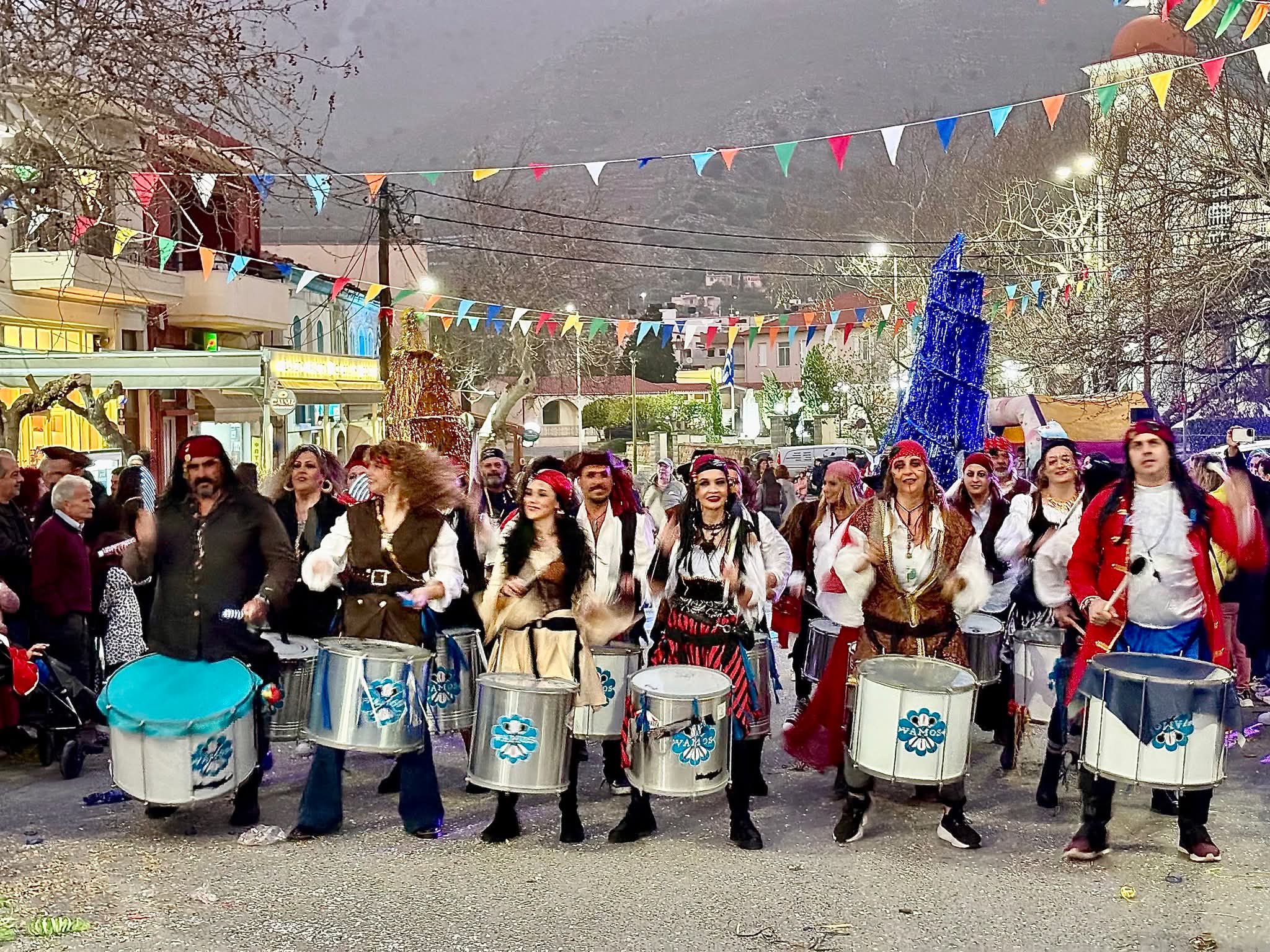
Cretan village carnival: a costumed drum band
Apokries: the Cretan carnival — village drums and costumes before Lent.

Apokries (Carnival)

February–March

Rethymno's carnival is the largest in Crete: floats, costumes and a giant parade on the last Sunday before Lent.

Orthodox Easter

April–May

The biggest event of the year: Good Friday processions, midnight candles and fireworks on Saturday, spit-roast lamb on Sunday. Live it in a village. (Date moves — check the year.)

Protomagiá

1 May

The flower festival: wreaths on doors, countryside picnics, the island in full bloom.

Paniyíria (village festivals)

June–September

Every village celebrates its saint: tables under the plane trees, lyra, raki and dancing till dawn. The peak is 15 August (Assumption).

Chania & Rethymno summers

July–August

Open-air concerts, theatre and cinema in the Venetian fortresses on peak-season evenings.

Grape harvest & wine feasts

August–September

The vintage, and the wine festivals of the vineyard villages (Dafnes, Archanes): tastings and music.

Olive harvest

November–December

The whole island picks olives and presses the new oil — the most authentic season to experience the Cretan countryside.

5 rules worth remembering

July–August: the timetable rule

In high season, the island lives in reverse: rise at 7am for the beaches, return between noon and 4pm, head out again in the evening. Those who follow this rule don't suffer from the heat.

🌸

May: Crete in bloom

The flora explodes in May. The Samaria Gorge is green, almond trees are in bloom, mountain villages look like postcards. It's the best month for hikers.

❄️

Winter is not hostile

Cretan winter is mild on the coasts (14–16°C). It snows on the massifs — a surreal image of the sea seen from snowy peaks. Knossos and Phaistos are visited without queues.

🌅

Light changes everything

The light in May and September is different from August: lower, more golden, longer in the evening. The same landscapes are photographically incomparable depending on the month. Travellers who return understand this.

🚌

The season determines your mobility

In July-August, all services run — boats, KTEL buses, excursions. In November, the last Balos boats have stopped, Samaria Gorge is closed, some mountain villages have no bus. Check what's open for your month.

Frequently asked questions

September is the ideal month: the sea reaches 25–26°C (warmer than in June), beaches are half-empty, prices drop 20–30% and the end-of-season light is perfect for photography. June is the best spring option to enjoy nature before the crowds arrive.

⚠️Myths vs RealityField 2026

Real Talk FAQ

💡

No. In Greece, beaches are 100% public by law.

Unlike other Mediterranean countries, Greek law is strict. You have an absolute right to lay your towel on the sand, even between the water and the first row of sunbeds at a luxury beach club. Never let anyone intimidate you. Save your euros for the taverna.

💡

Yes, the KTEL network is the island's logistical secret. Run from overpriced taxis.

The KTEL bus is nothing like a city bus. These are premium air-conditioned coaches with massive storage holds specifically designed to swallow large suitcases. It's spacious, brutally punctual, and you'll save €100 from the moment you leave the airport.

💡

It's a steep goat canyon, not a Sunday stroll. Trainers are mandatory.

The rocky path is slippery and steep. Forget flip-flops immediately, unless you want an injury. With children, the descent is only manageable if you arrive before 9am. Later, the crowds crammed into this bottleneck make the way down genuinely dangerous.

💡

Gramvousa is ideal for swimming, Balos for the view. Avoid the 500-person ferries at all costs.

Mass ferries destroy the experience. The expert protocol: rent a small boat (no licence required) in Kissamos to set your own pace, or book a semi-private shuttle (max 15 places). Gramvousa is rocky but the water is sublime. Balos is a visual shock — but you will never have it to yourself.

Plan your trip month by month

Twelve detailed monthly guides (above), plus the key pages to finish your planning.

Explore the site
Plan my tripFree itinerary generator

Plan

Plan the trip

When to goHow many daysItinerariesWhere to stayBest hotels

On the ground

Getting aroundCar rentalHeraklion airportChania airportHeraklion or Chania?Internet & eSIMReal Talk FAQ

Explore

Beaches

Best beachesSecret beachesBalos or Elafonissi?FalasarnaSeitan Limania

Nature & adventure

Gorges & waterfallsThings to doActivities & toursBoat cruisesSantorini day trip

Culture & history

Knossos (tickets)SpinalongaLato (Dorian city)Gournia (Minoan town)Battle of CreteAuthentic villages

Towns & villages

All placesAround Agios NikolaosSitia & the far eastKritsaMochlosAnogiaArchanesArgyroupoliMargarites

Food & wine

Tavernas & foodCretan dietWine & vineyardsPhoto gallery

Living here

Relocate to CreteProperty marketInvest